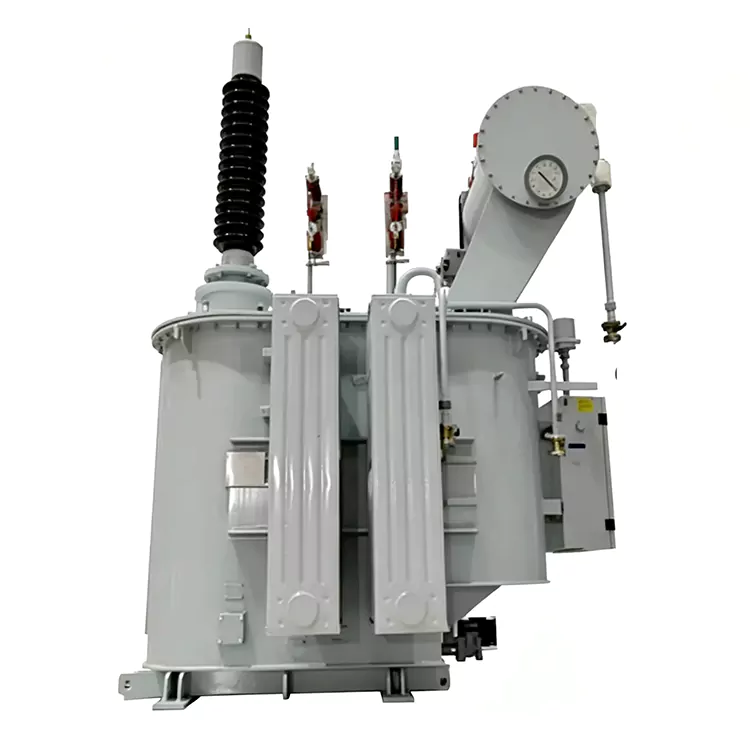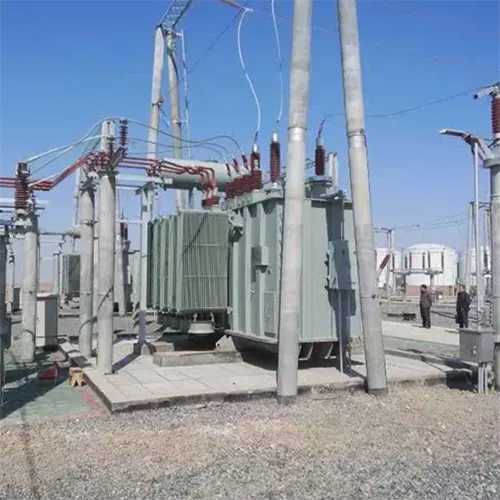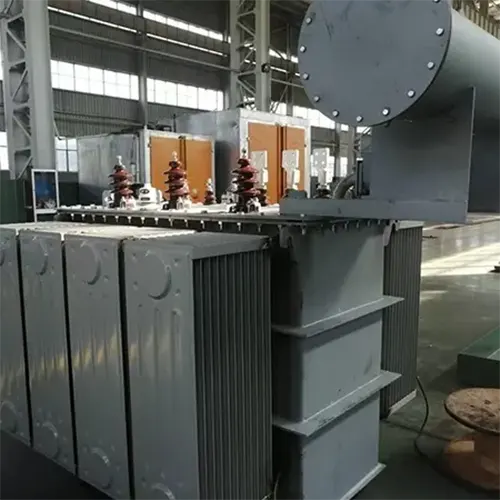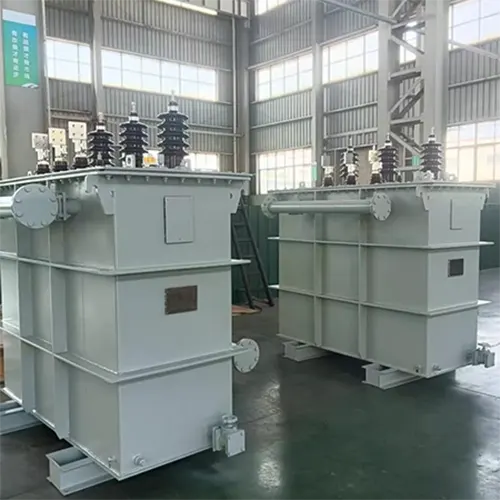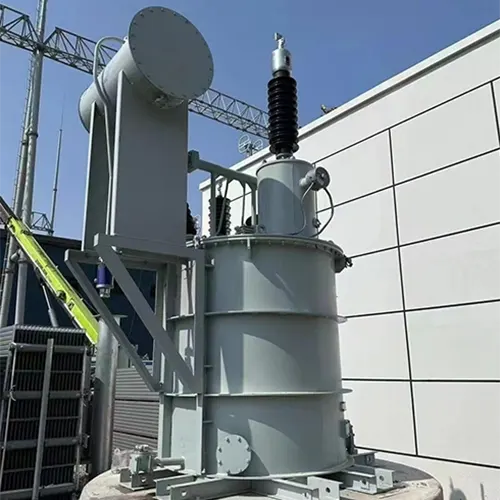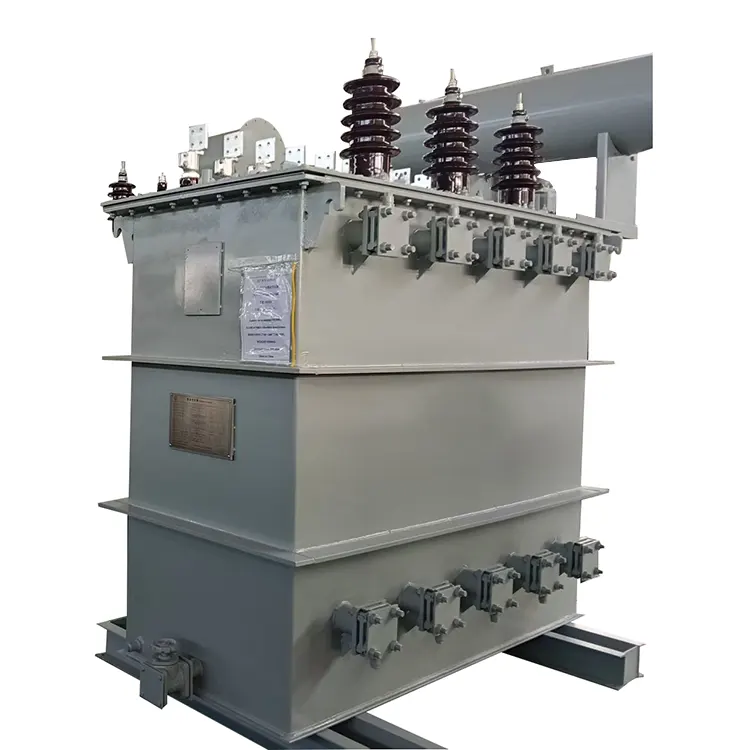
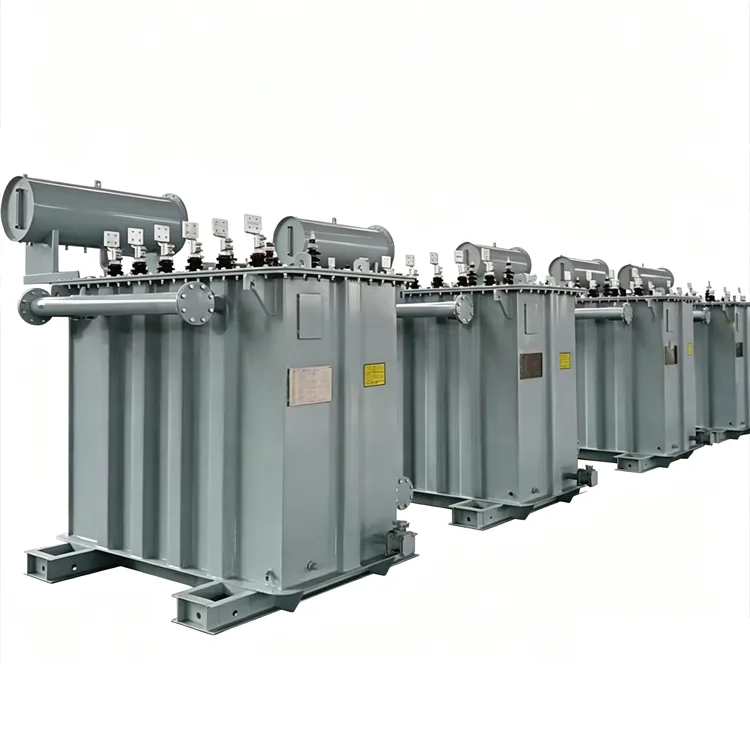
Industrial 24-Pulse Power Rectifier Transformer
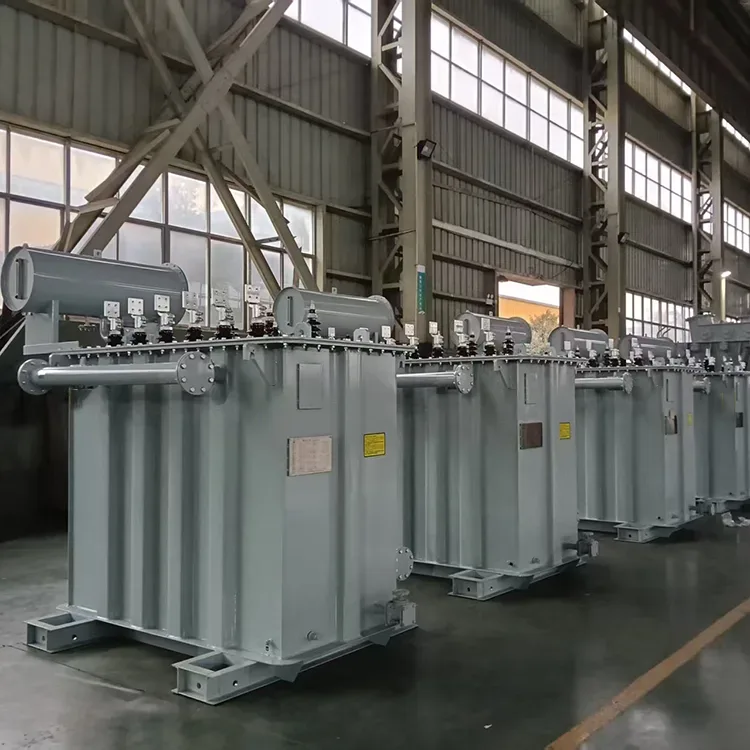
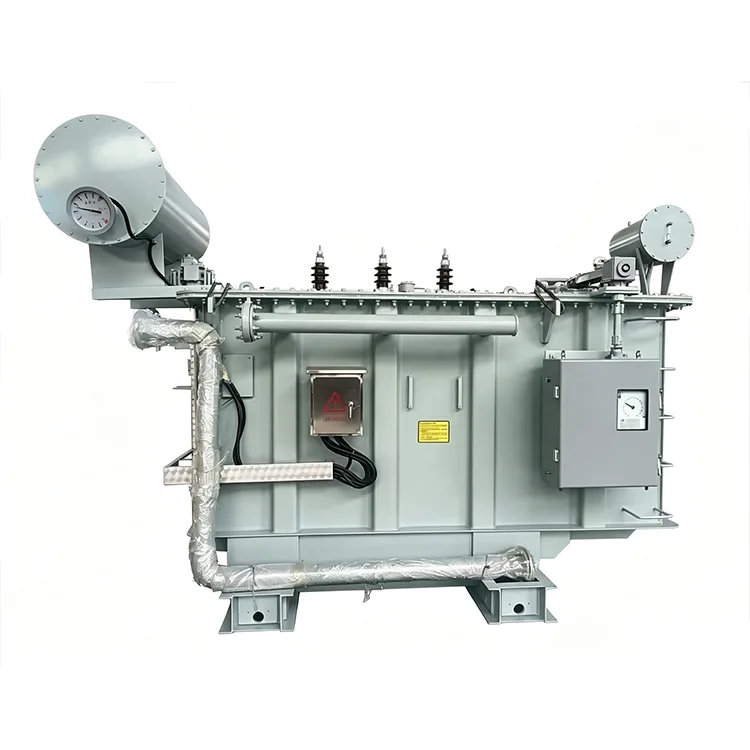
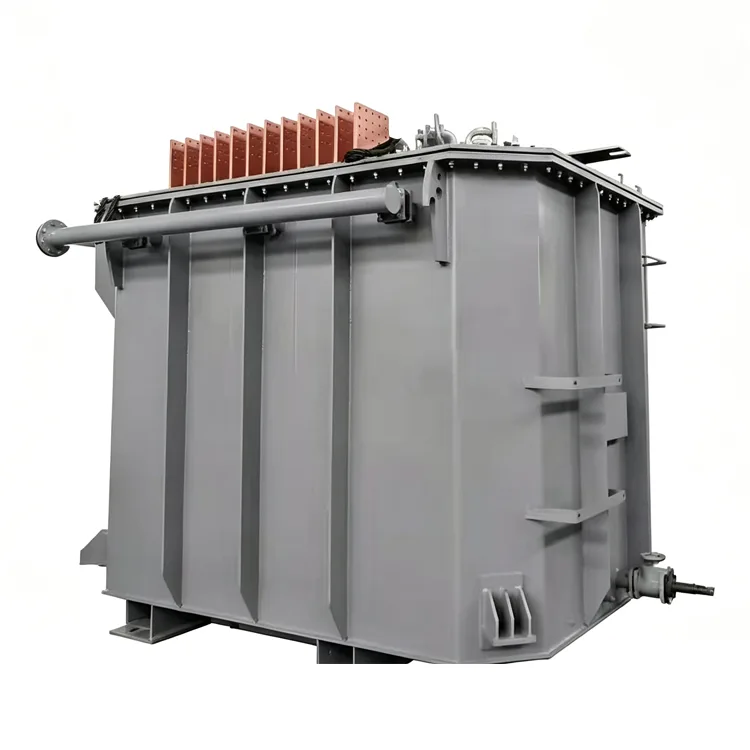
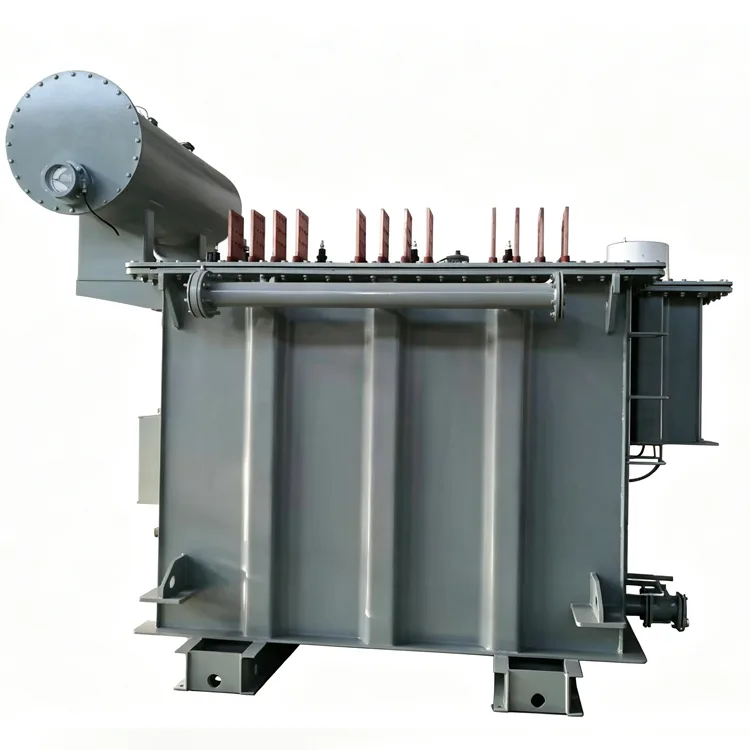
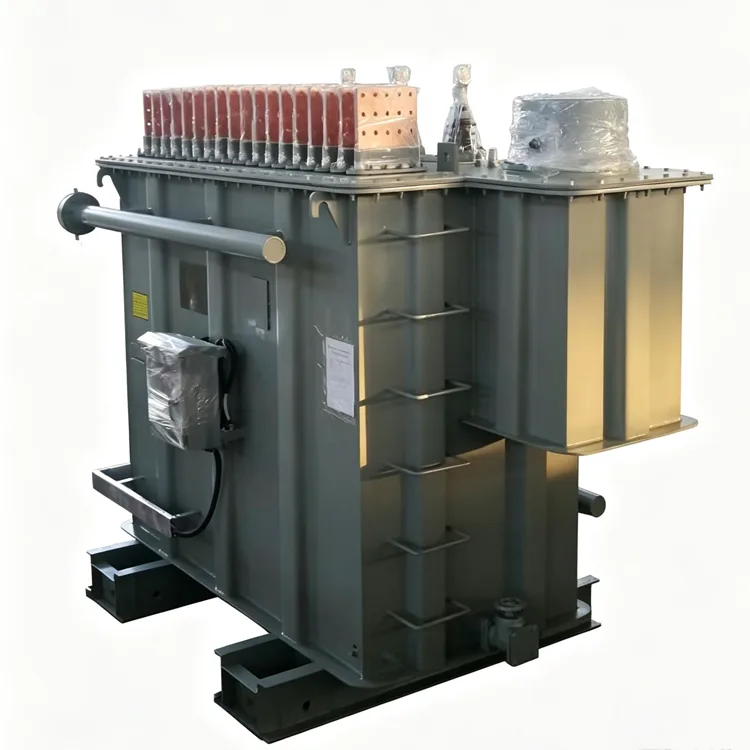
Yulan Transformer supplies industrial Industrial 24-Pulse Power Rectifier Transformers from 630 kVA to 80,000 kVA, designed for large DC loads and strict harmonic limits. With multi-winding phase-shift configurations and primary voltages up to 35 kV, these transformers help reduce low-order harmonics. Request a quote, discuss specifications, or contact Yulan Transformer for project-specific solutions.
Industrial plants with large DC loads often face strict harmonic limits under IEEE 519 or regional grid codes. A 12-pulse rectifier removes the 5th and 7th harmonics but leaves the 11th and 13th present. A 24-pulse arrangement extends the phase shifting concept so that the dominant harmonic currents on the primary side start from the 23rd order. Yulan Transformer supplies Industrial 24-Pulse Power Rectifier Transformers from 630 kVA to 80,000 kVA, with primary voltages of 6 kV, 10 kV, 15 kV, 22 kV, or 35 kV.
Harmonic Cancellation Logic
A 24-pulse system uses four 6-pulse rectifier bridges. The transformers feeding these bridges are phase shifted so that the bridge input voltages are separated by 15° from one another. On the primary side, the 5th, 7th, 11th, and 13th harmonic currents largely cancel. The remaining characteristic harmonics begin at the 23rd order, which have much lower amplitude and are easier to filter if required.
The result is a cleaner primary current waveform and reduced voltage distortion at the point of common coupling. This can eliminate the need for large passive filter banks in many applications.
Phase Shift Configurations
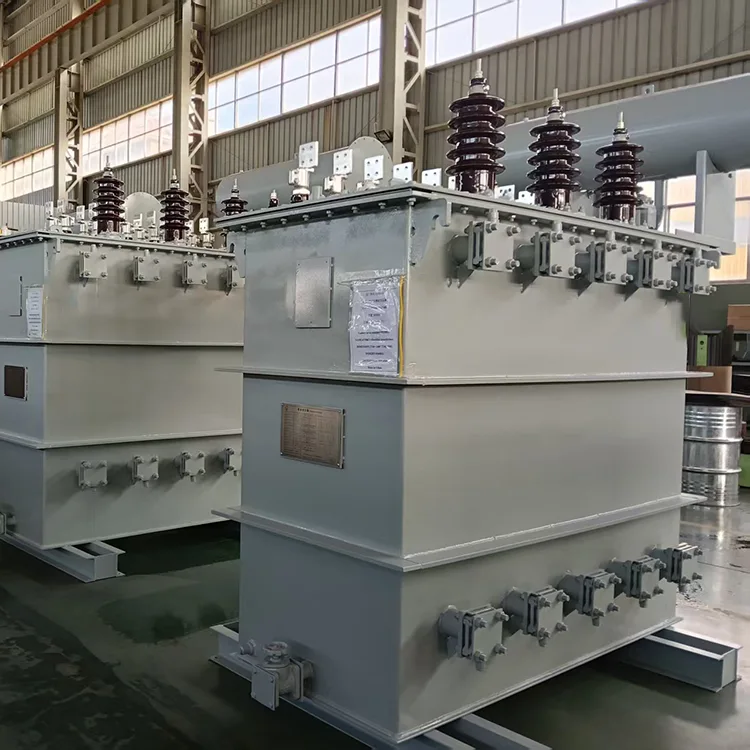
The most common phase shift combinations for 24-pulse operation are:
|
Bridge |
Phase shift (example) |
|
Bridge 1 |
+7.5° |
|
Bridge 2 |
-7.5° |
|
Bridge 3 |
+22.5° |
|
Bridge 4 |
-22.5° |
Other combinations such as 0°, 15°, 30°, and 45° are also used depending on the system design. The exact set is determined by the rectifier manufacturer or the project electrical engineer.
System Arrangements
Four independent transformers
Each transformer feeds one rectifier bridge and is built with a specific phase shift. Maintenance is flexible because one unit can be taken out while the other three continue operating at reduced load. The drawback is a larger footprint and more switchgear connections.
Two dual-secondary transformers
Each transformer contains two valve-side windings with different phase shifts. For example, one unit provides +7.5° and -7.5°, and the other provides +22.5° and -22.5°. This reduces equipment count and floor space compared with the four-unit option.
Single multi-winding transformer
One transformer houses four valve-side windings, each with a different phase angle. This saves the most space but means a single transformer failure interrupts the entire rectifier system. Manufacturing complexity is also higher.
The harmonic cancellation performance is equivalent among these arrangements. Site layout, redundancy needs, and transport constraints usually decide which one is selected.
Technical Specifications
|
Item |
Parameter |
|
Applicable standards |
IEC, GB, ANSI/IEEE, NEMA, and industry-specific specifications |
|
Rated capacity |
630 kVA to 80,000 kVA |
|
Primary rated voltage |
6 kV, 10 kV, 15 kV, 22 kV, or 35 kV |
|
Secondary voltage |
Determined by the rectifier circuit, commonly 380 V to 3000 V |
|
Rated frequency |
50 Hz or 60 Hz |
|
Phase |
Three-phase |
|
Phase shift combination |
±7.5°/±22.5° or other project-specified sets |
|
Primary connection |
Delta or wye |
|
Secondary connection |
Wye, delta, multi-winding, or zigzag |
|
Short-circuit impedance |
6% to 12% or as specified |
|
Cooling method |
ONAN, ONAF, or OFWF |
|
Voltage regulation |
Off-circuit or on-load tap changing |
Design Considerations for 24-Pulse Units
Phase angle accuracy
Harmonic cancellation depends on the relative phase positions of the four bridges. A deviation in any one winding set reduces the cancellation of the corresponding harmonic pair. Yulan Transformer verifies the turn count of each phase-shifting winding and measures the actual phase angles during factory testing. The tolerance is kept within ±0.5°.Impedance matching
When multiple transformers form a 24-pulse system, their short-circuit impedances must be closely matched. Large impedance differences cause uneven current sharing among bridges, which weakens harmonic suppression and may overload one bridge. Impedance tolerance is defined at the design stage and verified by test.Winding and core
Valve-side currents are often high, requiring transposed conductors or multiple parallel conductors. The core operates below the flux density of a standard distribution transformer to avoid saturation from transient DC components. The winding design includes margin for eddy current losses caused by the remaining 23rd and 25th harmonic currents.Tank shielding
Harmonic leakage flux induces eddy currents in the tank walls and clamping structures. Magnetic or electromagnetic shields are installed on the inner tank surface for larger ratings to reduce stray losses and prevent hot spots.
Factory Testing
Routine tests cover winding DC resistance, voltage ratio, insulation resistance, power frequency withstand, induced overvoltage, no-load loss, load loss, and short-circuit impedance. For 24-pulse units, additional measurements include:
● Phase angle verification for each valve-side winding set
● Insulation testing between different valve-side windings
● Partial discharge measurement
● Lightning impulse test for primary voltages of 35 kV and above
Temperature rise tests under a specified harmonic current spectrum can be arranged when the purchaser provides the expected load profile. Test data is archived by serial number and traced to the winding and core assembly records.
FAQ
How much harmonic reduction does 24-pulse provide compared with 12-pulse?
A 12-pulse system typically leaves 11th and 13th harmonics as the dominant components. A 24-pulse system cancels these as well, so the primary current harmonics start from the 23rd order. The total harmonic current distortion often drops from around 8% to 10% for 12-pulse to below 4% for 24-pulse, depending on load and impedance conditions.
Is 24-pulse always more expensive than 12-pulse?
The transformer portion is more expensive because of the additional phase-shifting windings or extra units. However, the cost of passive filters can be much lower, and in some projects the total installed cost is comparable or even lower when filter savings are included. A detailed comparison should consider equipment cost, floor area, and ongoing maintenance of filter components.
What happens if one transformer in a four-unit arrangement fails?
The remaining three units can continue operating, but the phase shift set is no longer balanced. Some lower-order harmonics will reappear on the primary side. The system should be run at reduced load until the failed unit is repaired or replaced. With a single multi-winding transformer, a failure affects the entire rectifier system.
Can a 12-pulse installation be upgraded to 24-pulse?
Not easily. The additional phase shifts must be built into the transformer windings. Retrofitting would require adding one or more phase-shifting transformers or replacing the existing units. Space, impedance matching, and connection complexity need careful evaluation before committing to such a change.
Do 24-pulse systems still need harmonic filters?
In many cases no, but this depends on the grid requirements and the amount of residual 23rd and 25th harmonic current. For very strict limits or when the load is unbalanced, small filter branches may still be installed. Their size and cost are far lower than those required for 6-pulse or 12-pulse arrangements.
Manufacturing Capability
Yulan Transformer has produced furnace transformers and rectifier transformers since 1999. The company operates under 110 kV class production and testing conditions, including an 80-ton lifting capacity, a 400 kW kerosene vapor phase vacuum drying system, a 1,200 kV impulse test system, and a 400 kV partial discharge free power frequency test transformer. These facilities support the insulation processing and factory verification of multi-winding 24-pulse rectifier transformers.
For project-specific phase shift schemes, loss calculations, or outline drawings, please contact the Yulan Transformer technical department.
Related Category
Send Inquiry
Contact Info
-
Address
No. 20, Bai'e Road, Hecun Town, Jiangshan City, Zhejiang Province,CHINA
-
Tel
-
Email
Send specs for power, furnace or rectifier transformers and get a customized quotation and price list, direct from Yulan Transformer factory. Bulk orders welcome.
News Recommendations