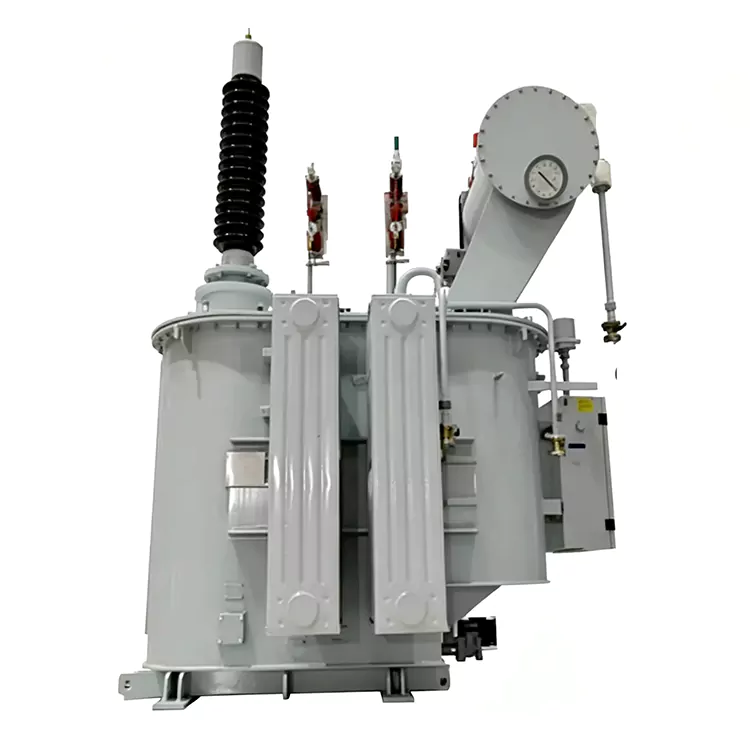
How Can an Oil-Immersed On-Load Tap-Changing Arc Suppression Coil Improve Medium-Voltage Network Safety
Article Summary: An Oil-Immersed On-Load Tap-Changing Arc Suppression Coil helps medium-voltage distribution networks manage single-phase earth faults by compensating for the capacitive current generated by the network. By combining oil insulation and cooling with on-load inductance adjustment, the equipment can adapt to changing network conditions without interrupting normal operation for routine tap adjustments. This article explains its working principle, key components, application scenarios, selection criteria, and maintenance requirements, helping utility engineers and industrial power system designers evaluate an appropriate grounding solution.
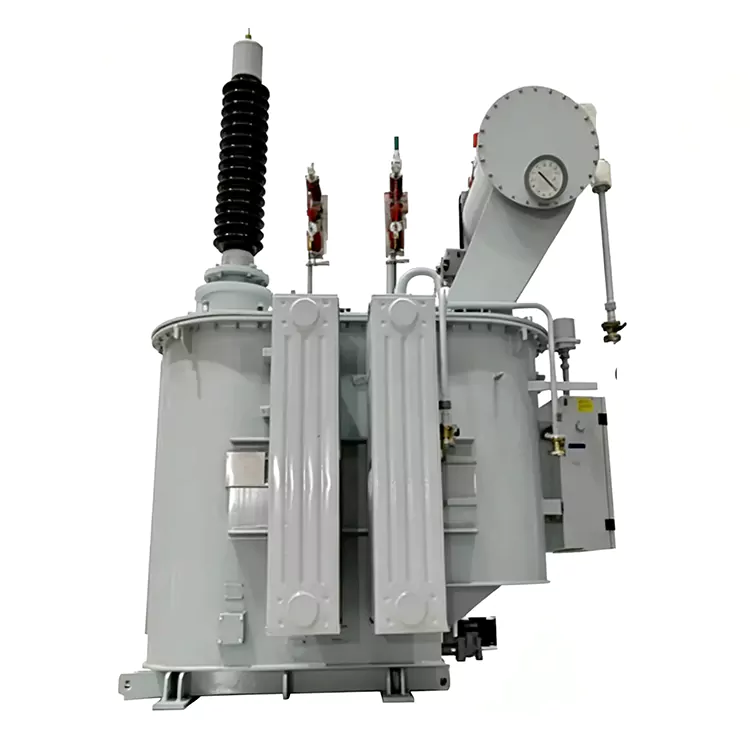
Table of Contents
- What Is an Oil-Immersed On-Load Tap-Changing Arc Suppression Coil?
- How Does the Coil Suppress Grounding Arcs?
- What Are Its Main Components?
- What Advantages Does the Oil-Immersed Design Offer?
- Where Is This Equipment Used?
- How Should Engineers Select the Right Model?
- What Maintenance Practices Support Reliable Operation?
- Frequently Asked Questions
- Conclusion
What Is an Oil-Immersed On-Load Tap-Changing Arc Suppression Coil?
An Oil-Immersed On-Load Tap-Changing Arc Suppression Coil, also known as an adjustable Petersen coil, is a specialized inductive device used in distribution networks with isolated or resonant-grounded neutral systems. Yulan, formally Jiangshan Yulan Transformer Co., Ltd., manufactures this type of equipment for medium-voltage network applications, with the product described for 6–66 kV distribution systems.
The coil is connected between the neutral point of a power transformer or grounding transformer and earth. Its purpose is to counteract the capacitive current that flows through the network during a single-phase earth fault. When the inductive compensation is appropriately matched to the network capacitance, the residual fault current can be reduced, helping an intermittent fault arc extinguish naturally.
The term “oil-immersed” describes the insulation and cooling arrangement, while “on-load tap-changing” refers to the ability to adjust the coil's effective inductance during operation. Together, these features support adaptable grounding compensation as feeders, cable lengths, and operating configurations change.
How Does the Coil Suppress Grounding Arcs?
In a three-phase distribution network, a single-phase earth fault can produce capacitive current through the healthy phases. If this current is sufficiently high, an arc at the fault point may persist, increasing the risk of insulation damage and transient overvoltage.
An arc suppression coil introduces an inductive current that opposes the network's capacitive earth-fault current. The objective is to bring these currents closer to cancellation, reducing the current remaining at the fault location.
- Fault detection: Monitoring and protection equipment identifies a change in the network's grounding condition.
- Network assessment: The compensation system determines or estimates the capacitive current associated with the connected network.
- Inductance adjustment: The tap-changing mechanism modifies the coil's effective inductance to match the operating condition.
- Current compensation: The inductive current counteracts the capacitive component, reducing the residual earth-fault current.
- Fault management: If the residual current and other conditions are suitable, the fault arc may extinguish. Protection systems must still identify and manage persistent faults.
Automatic tuning is particularly valuable when the network capacitance changes as distribution feeders are connected or disconnected. However, successful compensation depends on the controller, neutral-point arrangement, system capacitance, and equipment settings working together.
What Are Its Main Components?
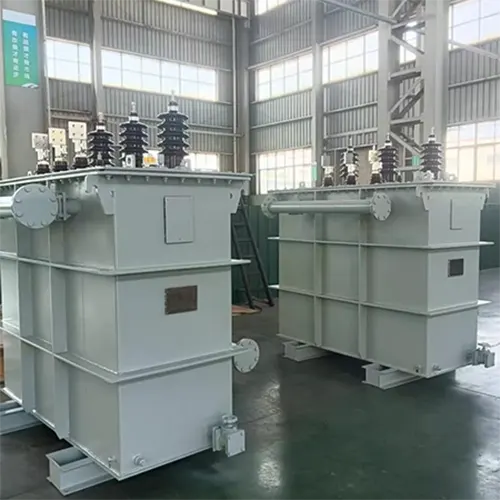
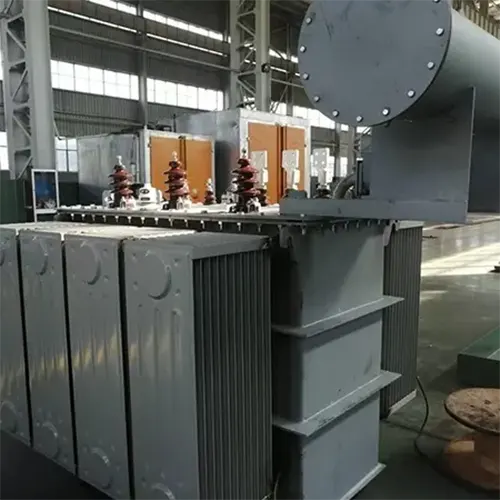
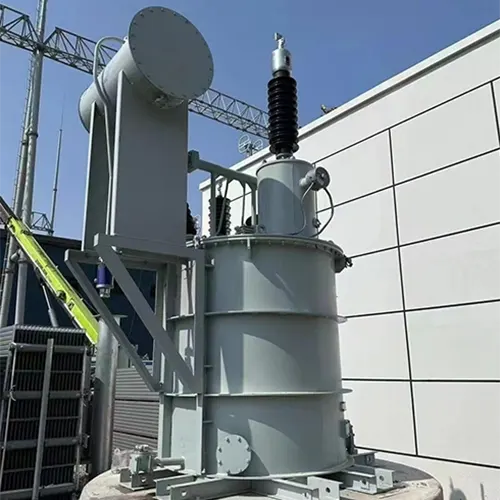
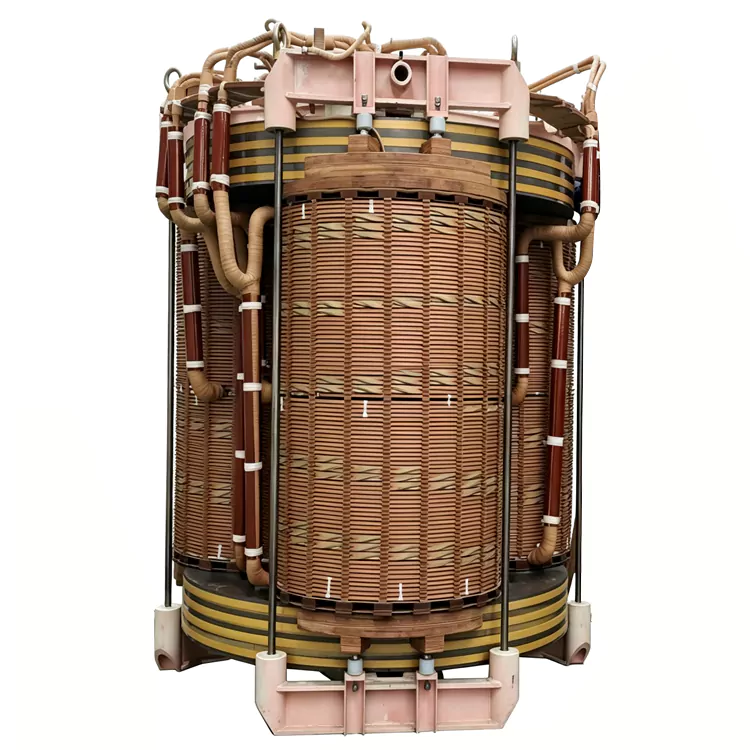
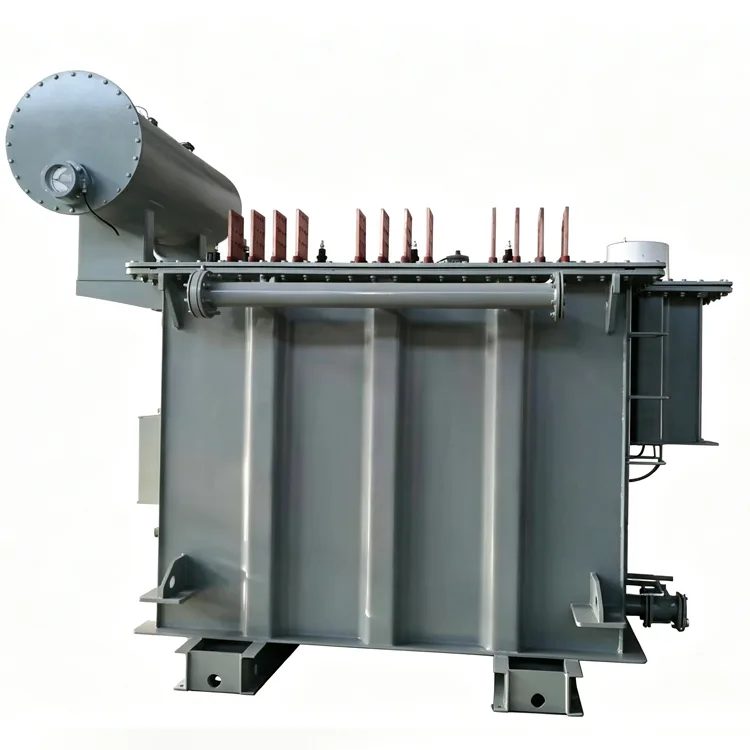
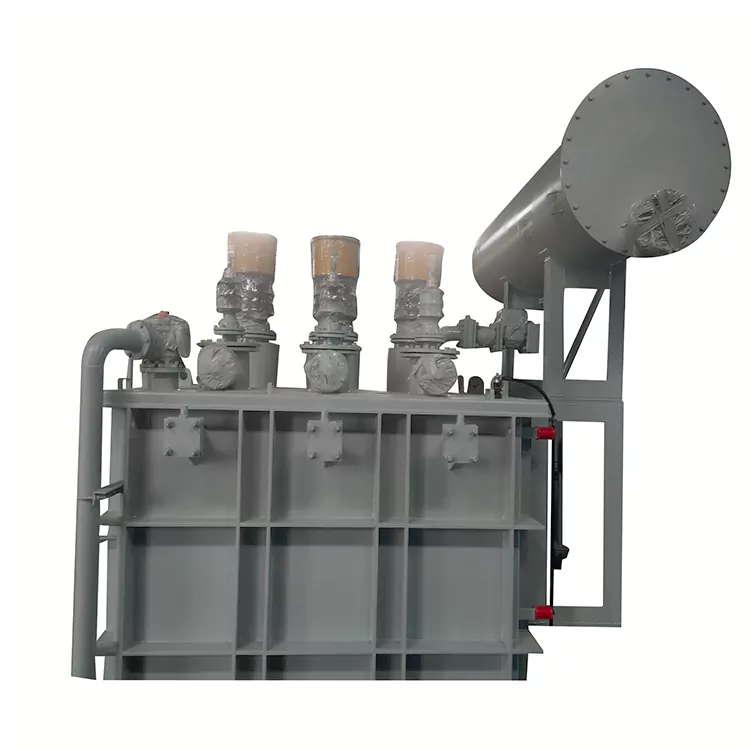
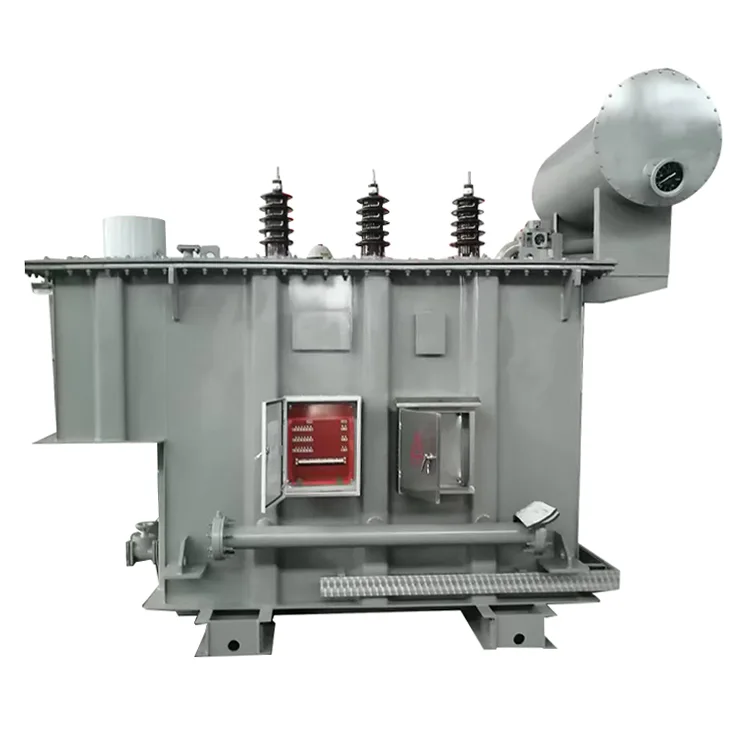
The equipment combines a magnetic circuit, an insulated winding assembly, a protective tank, and a regulation mechanism. The exact construction depends on the rated voltage, compensation range, environmental conditions, and project requirements.
| Component | Primary Function | Engineering Consideration |
|---|---|---|
| Magnetic core | Provides the magnetic path needed to establish inductance. | Core design affects magnetic performance, losses, and operating stability. |
| Winding assembly | Produces the inductive current used for earth-fault compensation. | Conductor sizing, insulation, and thermal performance must suit the duty. |
| Transformer oil | Provides electrical insulation and transfers heat away from internal components. | Oil condition, moisture, and dielectric strength require appropriate monitoring. |
| Tap-changing mechanism | Adjusts effective inductance to accommodate different network capacitances. | Switching range, operating sequence, and control compatibility are important. |
| Steel tank and bushings | Enclose the active components and provide insulated electrical connections. | Sealing, clearances, grounding, and environmental protection require verification. |
| Monitoring and control equipment | Supports compensation adjustment and operational supervision. | Controller interfaces and protection signals should match the substation design. |
For project evaluation, buyers should confirm the manufacturer's actual configuration rather than assume that every model includes the same controller, monitoring devices, or tap-changing arrangement.
What Advantages Does the Oil-Immersed Design Offer?
For utilities and industrial operators, equipment selection must consider more than rated voltage. Thermal management, insulation coordination, adjustability, and integration with existing protection systems all affect long-term performance.
- Adaptable compensation: On-load tap changing allows inductance adjustment while the equipment remains in service, subject to the manufacturer's operating limits.
- Improved insulation management: Transformer oil provides an insulating medium around internal energized components when the unit is correctly designed and maintained.
- Heat dissipation: Oil helps transfer heat from the core and windings to the tank and cooling surfaces.
- Support for changing network configurations: Adjustable compensation can accommodate changes in connected cable and overhead-line capacitance.
- Reduced arc-related damage risk: Proper compensation can reduce earth-fault current and help limit damage associated with certain intermittent grounding faults.
- Integration with automation: When paired with a suitable controller, the coil can support automatic tuning and substation monitoring.
These benefits depend on correct engineering and installation. An arc suppression coil does not eliminate every grounding hazard, replace protective relays, or guarantee that all fault arcs will extinguish.
Where Is This Equipment Used?
An adjustable oil-immersed coil is relevant wherever network capacitance varies and earth-fault management is a priority. Typical applications include:
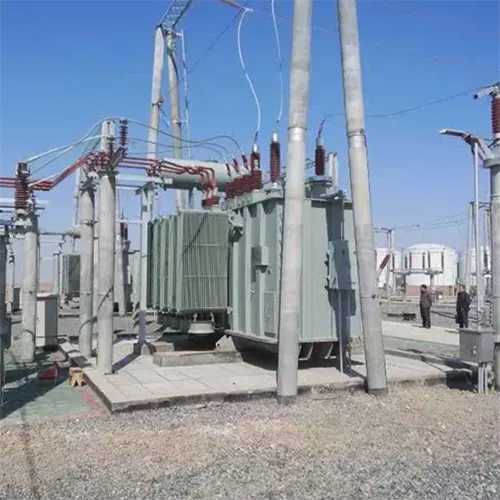
- Utility distribution substations: Supporting neutral grounding in medium-voltage distribution systems.
- Industrial power networks: Helping factories manage grounding conditions across extensive cable and feeder systems.
- Renewable energy collection networks: Supporting grounding arrangements in installations where network configuration may change.
- Rural and regional distribution grids: Accommodating long overhead feeders and changes in connected line sections.
- Urban cable networks: Addressing the comparatively significant capacitance that can arise from extensive underground cable systems.
The suitability of any particular model must be confirmed against the system's grounding philosophy, rated voltage, capacitive earth-fault current, neutral-point availability, and protection strategy.
How Should Engineers Select the Right Model?
Choosing an arc suppression coil starts with a network study rather than a catalogue comparison. Engineers should establish the expected operating range and confirm that the coil can compensate for the network under normal and contingency configurations.
| Selection Parameter | What to Verify | Why It Matters |
|---|---|---|
| Rated system voltage | Compatibility with the substation's voltage class and insulation level. | Supports safe electrical integration. |
| Network capacitive current | Expected minimum, maximum, and contingency values. | Defines the required compensation capability. |
| Inductance adjustment range | Available tap positions and effective tuning range. | Determines adaptability to network changes. |
| Control arrangement | Manual or automatic regulation and communication interfaces. | Ensures the operating method matches site requirements. |
| Insulation and cooling | Oil specifications, cooling arrangement, and temperature limits. | Supports dependable operation under the expected duty. |
| Applicable standards | Required national and international standards and test documentation. | Helps establish compliance with the project specification. |
Before requesting a quotation, prepare the following information:
- System voltage and rated frequency.
- Measured or calculated capacitive earth-fault current.
- Neutral grounding arrangement and grounding transformer details, if applicable.
- Required compensation range and automatic tuning preferences.
- Installation location, ambient temperature, altitude, and environmental conditions.
- Applicable standards, testing requirements, protection interfaces, and delivery expectations.
Providing these details helps the manufacturer evaluate the required configuration and identify any additional engineering information needed before finalizing the design.
What Maintenance Practices Support Reliable Operation?
Routine maintenance helps preserve insulation integrity, identify developing mechanical problems, and verify that compensation remains appropriate as the network evolves. Inspection frequency should follow the manufacturer's instructions, site risk assessment, and applicable electrical safety rules.
- Inspect the tank and seals: Look for oil leakage, corrosion, damaged fittings, or abnormal deformation.
- Monitor oil condition: Perform appropriate dielectric, moisture, and other oil tests according to the maintenance plan.
- Check temperature and oil level: Investigate readings outside the manufacturer's permitted operating range.
- Verify tap-changing operation: Review switching indications, control signals, and operating records.
- Test protection and alarms: Confirm that associated monitoring and protective devices operate according to the approved procedures.
- Review compensation performance: Compare measured network conditions with controller settings and investigate persistent tuning errors.
- Maintain technical records: Document inspections, test results, switching events, faults, and corrective actions.
Any internal inspection or electrical maintenance must be performed by qualified personnel under the applicable isolation, grounding, and lockout procedures. Never assume that a unit is safe to open simply because the connected network appears to be operating normally.
Frequently Asked Questions
1. What is the primary purpose of an Oil-Immersed On-Load Tap-Changing Arc Suppression Coil?
Its primary purpose is to compensate for network capacitive earth-fault current by supplying an adjustable inductive current. Proper compensation can reduce residual current and help an intermittent grounding arc extinguish.
2. What is the difference between an arc suppression coil and a conventional grounding reactor?
An arc suppression coil is specifically selected and adjusted to compensate for a network's capacitive earth-fault current. A conventional grounding reactor may serve other grounding or current-limiting functions, depending on its design and application. Their roles are not automatically interchangeable.
3. Why is on-load tap changing important?
It enables the coil's effective inductance to be adjusted while the equipment remains in service. This is useful when feeder switching or network expansion changes the system's capacitive current, provided the tap changer is designed for the required operating duty.
4. What voltage range does Yulan's product serve?
Yulan describes this product for 6–66 kV distribution networks. The applicable rated voltage, compensation range, and configuration should be confirmed with the manufacturer for the intended project.
5. Can the coil be integrated into an automatic substation control system?
Automatic tuning and monitoring can be implemented when the coil is supplied with a compatible controller and suitable interfaces. Buyers should confirm available control functions, communication protocols, and protection requirements before ordering.
6. What information is required to obtain a quotation?
Useful information includes system voltage, frequency, network capacitive current, neutral grounding arrangement, required adjustment range, installation conditions, applicable standards, and control preferences. A network study or existing equipment documentation can further support model selection.
Conclusion
An Oil-Immersed On-Load Tap-Changing Arc Suppression Coil provides an adaptable approach to neutral grounding and earth-fault current compensation in medium-voltage distribution networks. Its effectiveness depends on accurate network assessment, suitable inductance adjustment, dependable insulation and cooling, and coordinated protection and control. Careful selection and preventive maintenance help utilities and industrial operators build a grounding solution that fits their actual operating conditions.
For project-specific guidance, explore Yulan's Oil-Immersed On-Load Tap-Changing Arc Suppression Coil and learn more about the company's transformer and reactor solutions. If you are planning a new substation, upgrading an existing grounding system, or evaluating compensation requirements, contact us to discuss your voltage class, network capacitance, adjustment range, and project specifications with the Yulan team.
Related News
- Yulan Transformer Delivers Custom 110kV Industrial Transformers for Overseas Energy & Metallurgy Projects
- Yulan Transformer Optimizes Testing Laboratory to Improve High-Voltage Transformer Quality Control Standard
- Yulan Transformer has secured major overseas export orders for custom-made rectifier transformers and electric furnace transformers.
- Yulan Transformer Expands Production Capacity for 110kV Power & Furnace Transformer Series
Leave me a message
New Products
News Recommendations