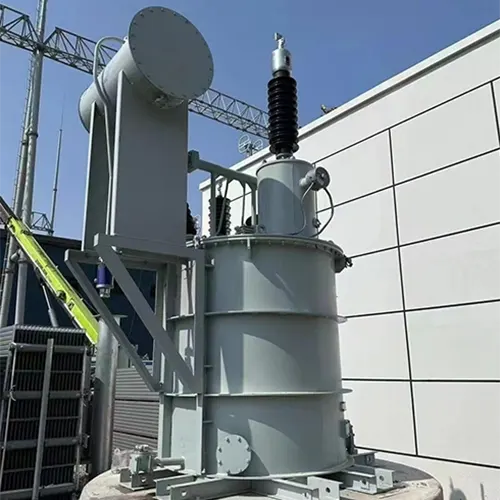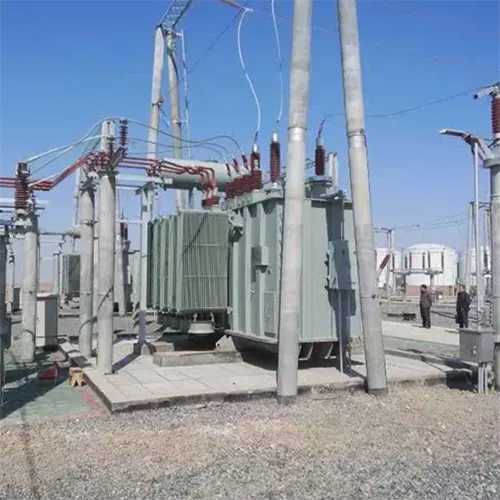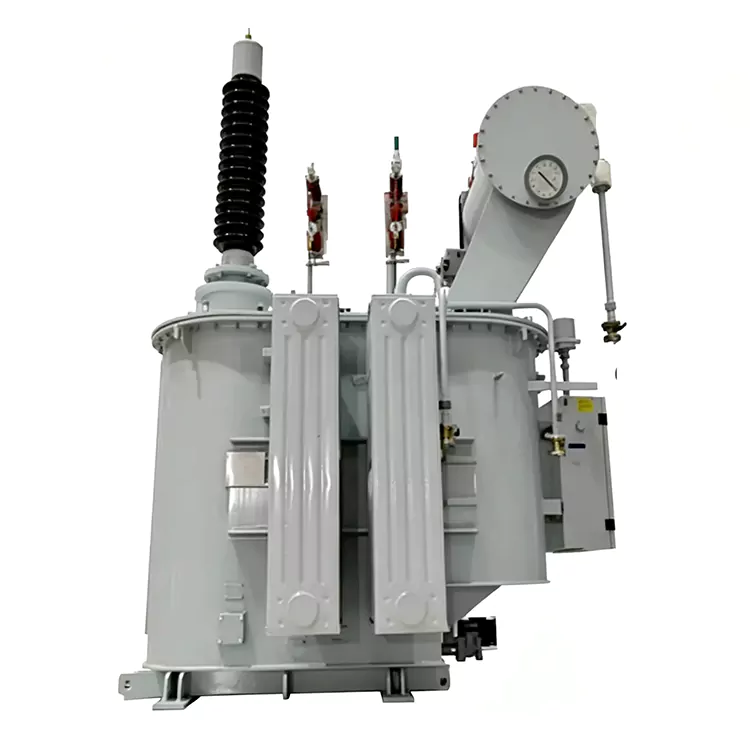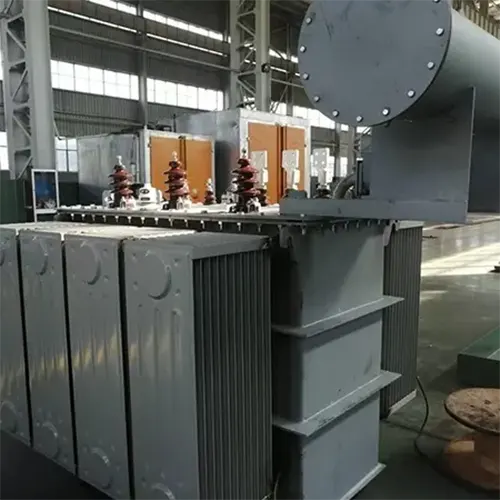
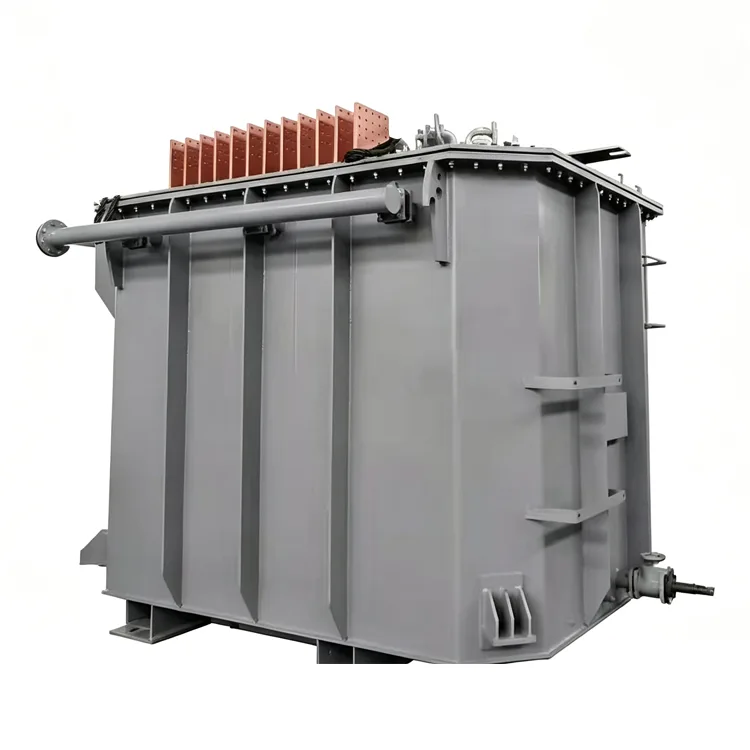
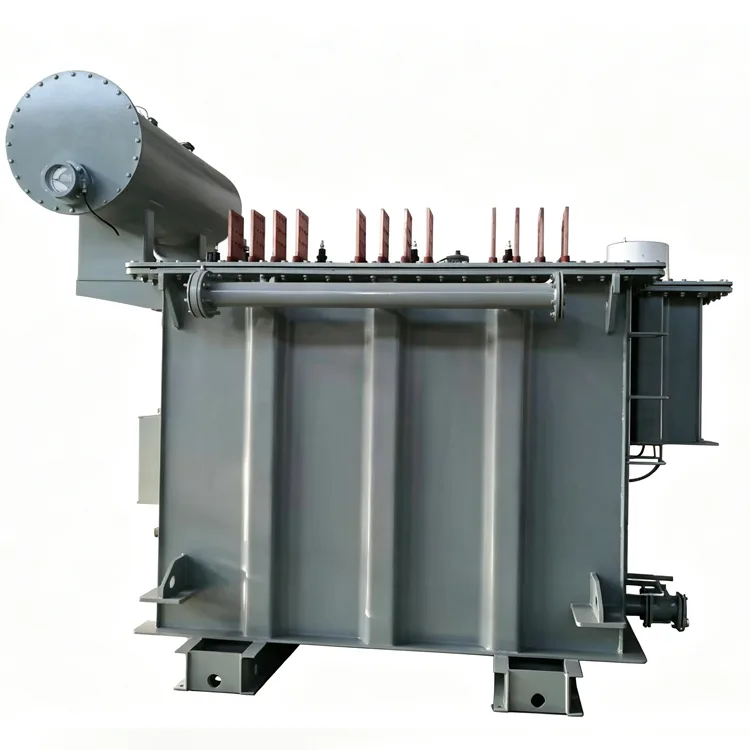
Refining Electric Furnace Transformer
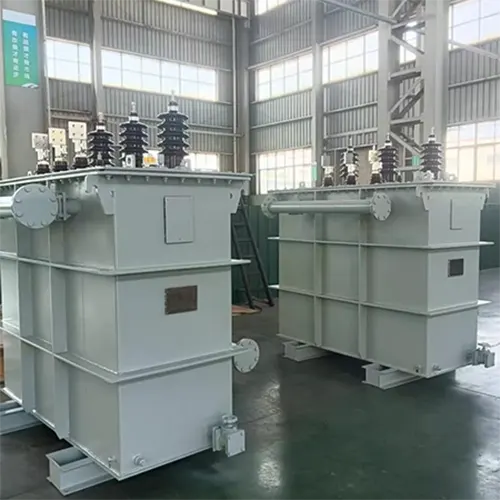
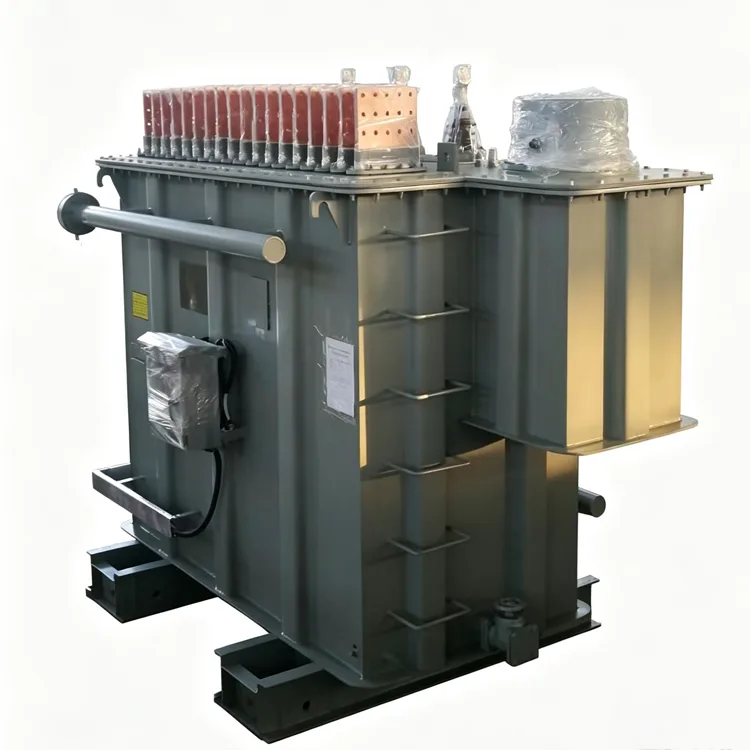
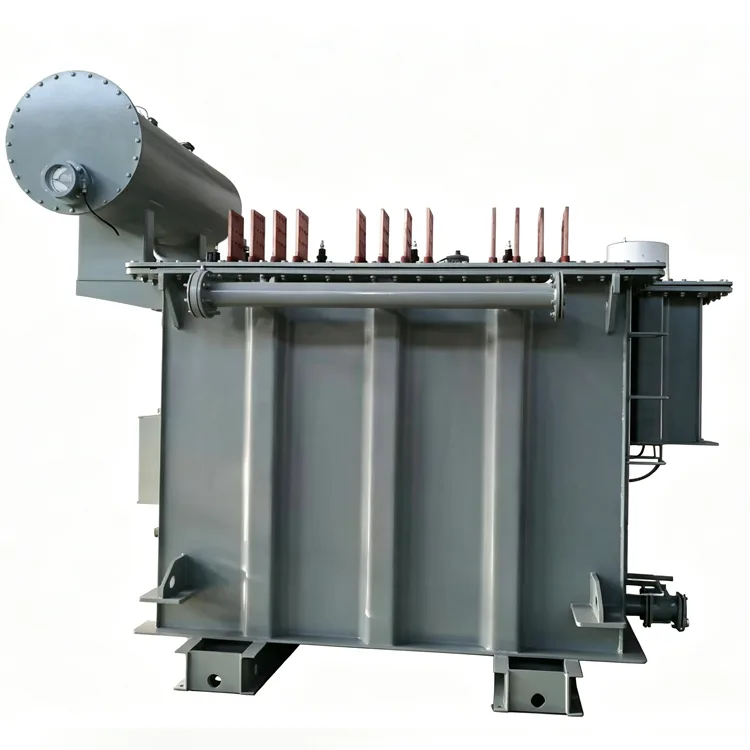
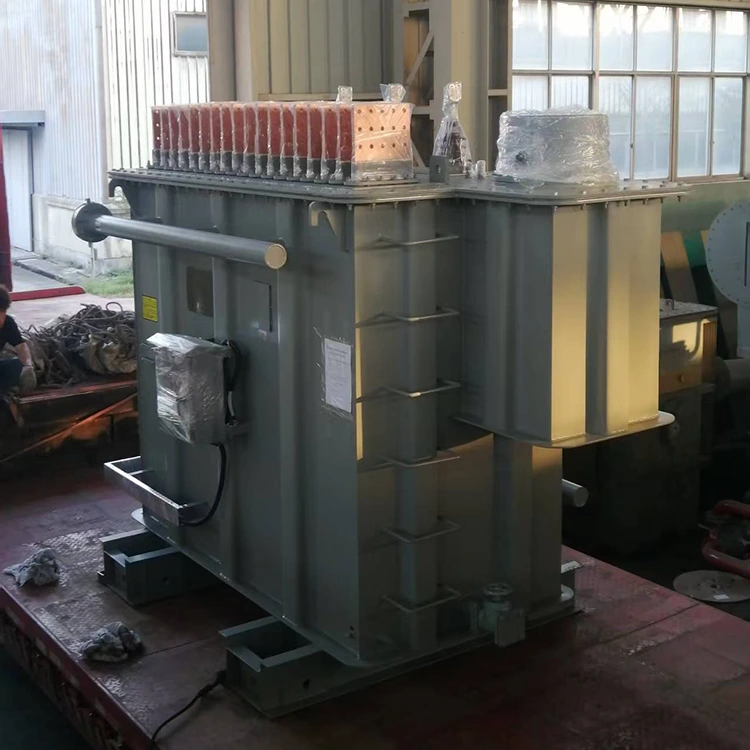
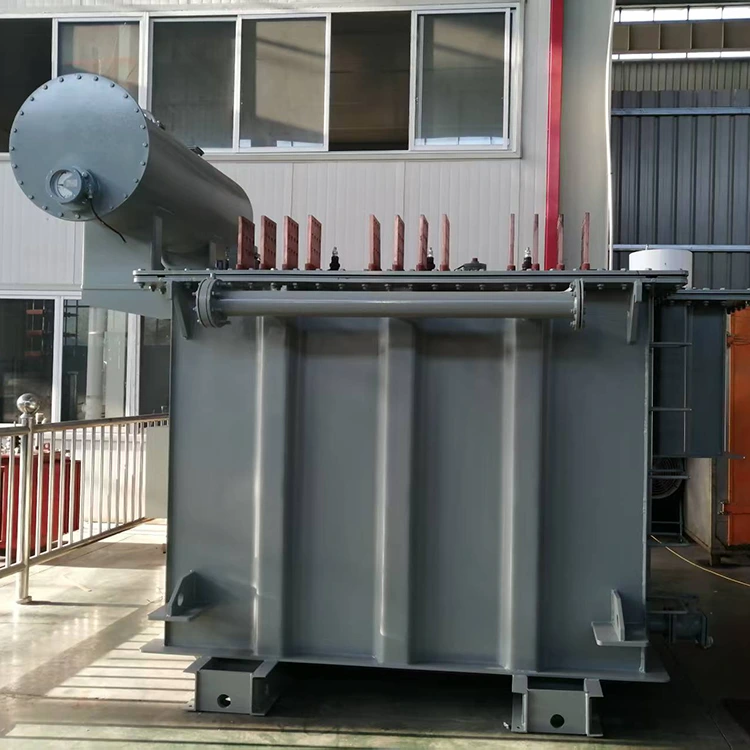
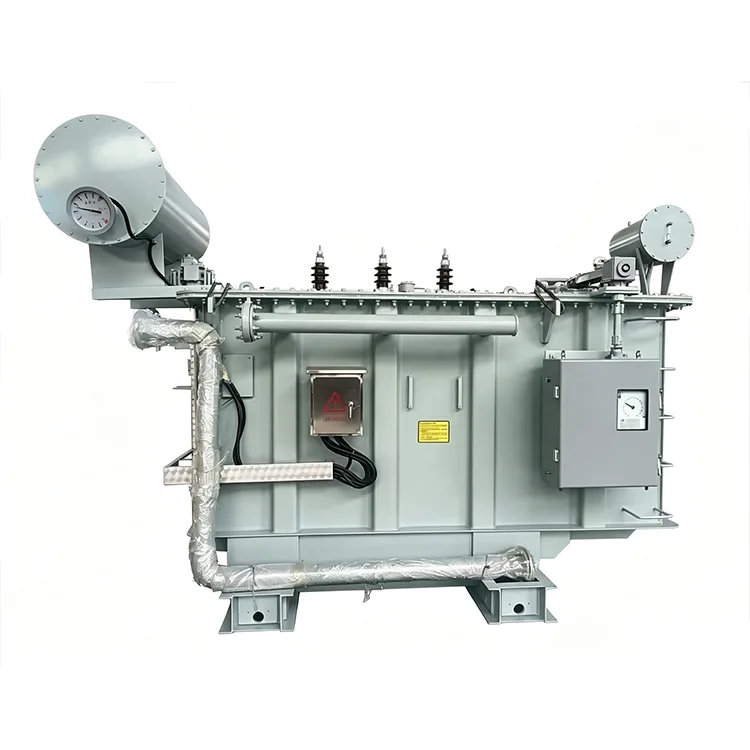
Yulan Transformer supplies Refining Electric Furnace Transformers suitable for ladle refining and VD/VOD stations. These transformers feature capacities ranging from 1,000 to 80,000 kVA and voltage ratings of 6–110 kV, equipped with 5–19 tap positions and On-Load Tap Changer (OLTC) functionality; cooling methods include ONAN or OFWF. The company offers customized designs and short-network matching services; please contact us for project-specific design proposals, quotations, or outline dimension drawings.
Refining Electric Furnace Transformers sit between the melting shop and the caster, and their electrical behavior differs from melting units in ways that affect both design and maintenance planning. Arc stability is higher, but the transformer is switched and tapped far more often. On a typical ladle furnace, the on-load tap changer may complete 50 to 80 operations in a single day, and the transformer itself may run 20 to 30 heats per day in a high-output shop. Over a year, that adds up to tens of thousands of tap changes and thermal cycles. Yulan Transformer builds refining furnace transformers from 1000 kVA to 80,000 kVA, with primary voltages of 6 kV, 10 kV, 15 kV, 22 kV, 35 kV, or 110 kV. Secondary voltage and tap steps follow the refining power schedule and short-network data supplied by the steel plant.
Specification Range
|
Item |
Parameter |
|
Applicable standards |
IEC 60076, GB/T 10229, JB/T 9640, customer specifications |
|
Rated capacity |
1000 kVA to 80,000 kVA |
|
Primary voltage |
6 kV, 10 kV, 15 kV, 22 kV, 35 kV, or 110 kV |
|
Secondary voltage |
120 V to 280 V, depending on ladle size and steel grade |
|
Tap range |
5 to 19 positions, commonly 8 to 13 |
|
Frequency |
50 Hz or 60 Hz |
|
Phase |
Three-phase |
|
Connection symbol |
Dd0, Yd11, D-Yd0-11, D-YdD-11, and others |
|
Short-circuit impedance |
6% to 10% at maximum secondary voltage |
|
Cooling method |
ONAN, ONAF, OFAF, or OFWF |
|
Voltage regulation |
On-load tap changing for most units; off-circuit motor drive for smaller ratings |
Design Priorities
Tap changer life: the switching mechanism must handle frequent operations without excessive contact wear.
Voltage step accuracy: fine control matters because the steel temperature window is often narrow.
Short-network matching: the transformer secondary voltage must compensate for cable and busbar drop to the electrodes.
Thermal cycling tolerance: repeated heating and cooling require stable winding clamping.
Harmonic margin: the arc produces harmonic currents that add winding eddy losses.
Grid interaction: batch power swings can cause voltage flicker on weak supply networks.
Reference Configurations by Ladle Size
Compiled from previous projects. Final parameters are confirmed in the technical agreement.
|
Ladle size (t) |
Transformer rating (kVA) |
Primary voltage (kV) |
Secondary voltage (V) |
Taps |
Impedance (%) |
Cooling |
|
30 |
2500 |
10 |
190-120 |
5 |
7 |
ONAN |
|
60 |
5000 |
35 |
210-130 |
7 |
7.5 |
ONAF |
|
80 |
8000 |
35 |
230-140 |
9 |
8 |
ONAF |
|
120 |
12500 |
35 |
250-150 |
11 |
8.5 |
OFAF |
|
150 |
16000 |
35 |
260-160 |
13 |
9 |
OFAF |
|
200 |
25000 |
110 |
270-170 |
15 |
9.5 |
OFWF |
|
300 |
40000 |
110 |
280-180 |
17 |
10 |
OFWF |
Additional Engineering Points
Transformer and electrode regulation
The refining arc is controlled by an electrode regulator that adjusts the electrode position to maintain a target current or impedance. The transformer impedance directly affects how the regulator responds. A mismatch between transformer impedance and regulator settings can cause current hunting or sluggish response. For this reason, the impedance value should be shared with the automation supplier during the design phase.
Parallel operation
or split power paths. In this case, the two units must have matched impedance and voltage steps, otherwise current distribution becomes uneven and one unit carries more load than the other. Matching is verified by test before shipment.
Vacuum degassing duty
Vacuum degassing units, including VD and VOD stations, use the same transformer type but with different operating patterns. Heats are shorter, and the power is often lower, but the transformer still needs the full tap range. The cooling system can sometimes be sized for lower losses because the duty cycle is less demanding than a ladle furnace station.
Voltage drop compensation
The short network between the transformer secondary terminals and the electrodes can drop 5% to 10% of the secondary voltage at high current. The transformer designer must know the short-network resistance and reactance to set the no-load secondary voltage high enough to compensate. If this data is not available at the design stage, the furnace may not reach its rated power.
Maintenance access
Refining areas are hot, dusty, and sometimes congested. The Refining Electric Furnace Transformer should be positioned to allow access to bushings, the tap changer, and cooling equipment without removing major structures. Control cabinets should be placed away from slag splash zones.
Frequently Asked Questions
What is the most common cause of refining transformer downtime?
Tap changer contact wear is the leading issue in refining service, followed by cooling system problems. Winding failures are less common because the arc is more stable than in melting duty. Regular inspection of the tap changer and oil quality helps prevent unplanned outages.
How often should tap changer oil be replaced?
Tap changer compartment oil degrades faster than main tank oil because of arcing during switching. Many operators replace or filter tap changer oil every 6 to 12 months, depending on operation count. Dissolved gas analysis of the tap changer oil can provide early warning of contact wear.
Can the transformer run at full load continuously?
Refining transformers are typically designed for the actual refining cycle, not continuous full load. However, some plants run long heats at high power. The user should provide the expected load profile so the thermal design can be verified for the real duty.
What happens if the impedance is too low?
Low impedance allows higher short-circuit currents and can cause unstable arc regulation. It also increases the current peaks during electrode contact with the steel bath. The electrical designer sets the impedance range, and the transformer manufacturer must meet it within a narrow tolerance.
How is the transformer protected against arc furnace transients?
Protection includes overcurrent relays with time delays to ride through normal transients, differential protection for internal faults, and temperature monitoring for the windings and oil. Surge arresters protect against switching and lightning overvoltages.
Manufacturing and Verification
Yulan Transformer has produced furnace transformers since 1999, with refining units in service at several steel plants. The factory operates with an 80-ton lifting capacity, a 400 kW kerosene vapor phase vacuum drying system, a 1,200 kV impulse test system, and a 400 kV partial discharge free power frequency test transformer. Routine tests cover winding resistance, ratio, insulation resistance, power frequency withstand, induced overvoltage, no-load loss, load loss, and short-circuit impedance. Tap changers are cycled through all positions before shipment. Test data is archived by serial number and linked to winding and core assembly records. The company holds ISO 9001:2015, ISO 14001, and ISO 45001 certifications.
For project-specific designs, short-network matching, or outline drawings, contact the Yulan Transformer technical department.
Related Category
Send Inquiry
Contact Info
-
Address
No. 20, Bai'e Road, Hecun Town, Jiangshan City, Zhejiang Province,CHINA
-
Tel
-
Email
Send specs for power, furnace or rectifier transformers and get a customized quotation and price list, direct from Yulan Transformer factory. Bulk orders welcome.
Related Products
News Recommendations