Neutral Grounding Reactor
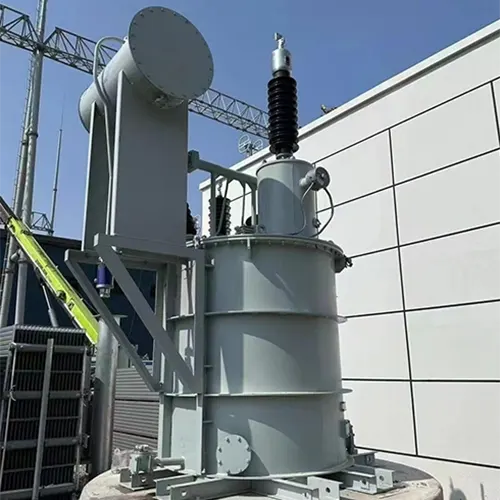
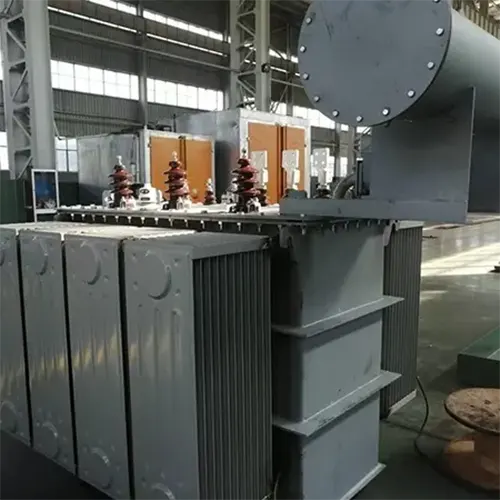
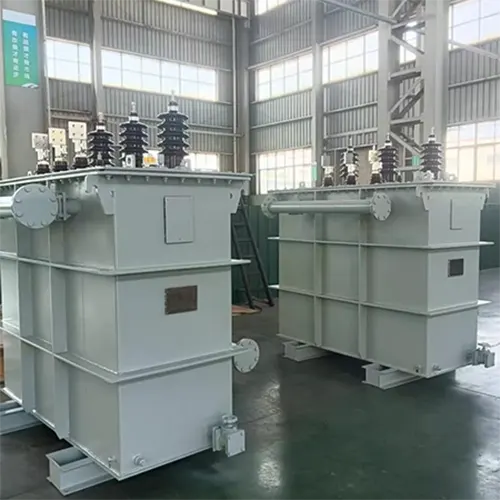
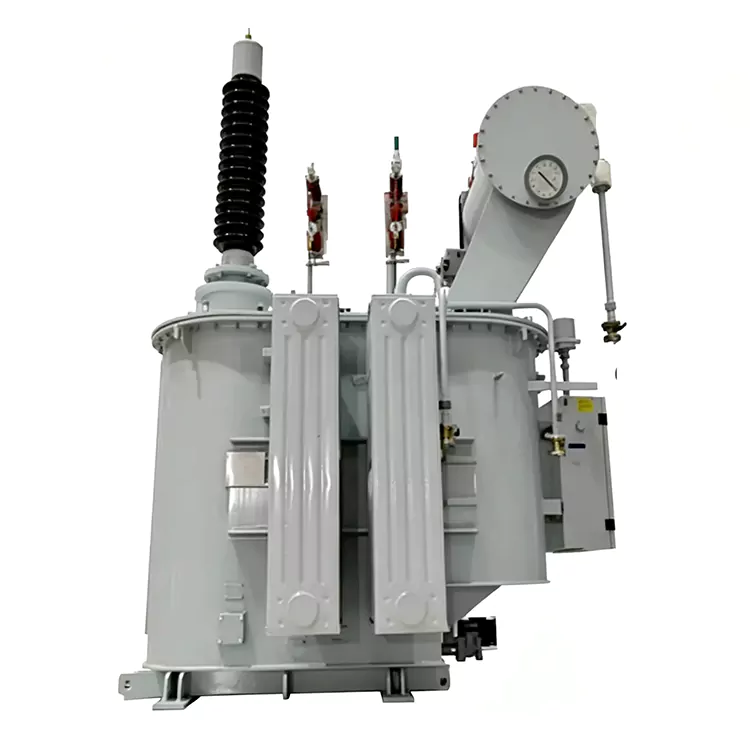
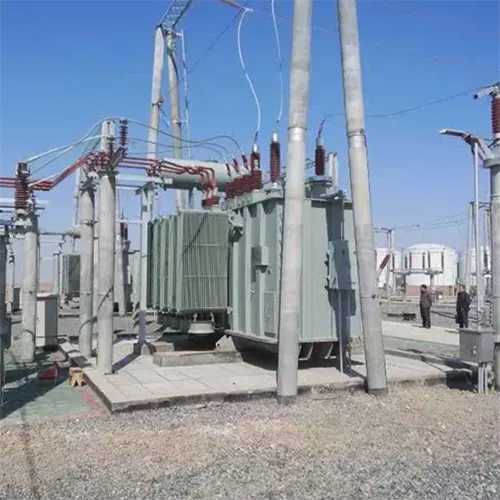
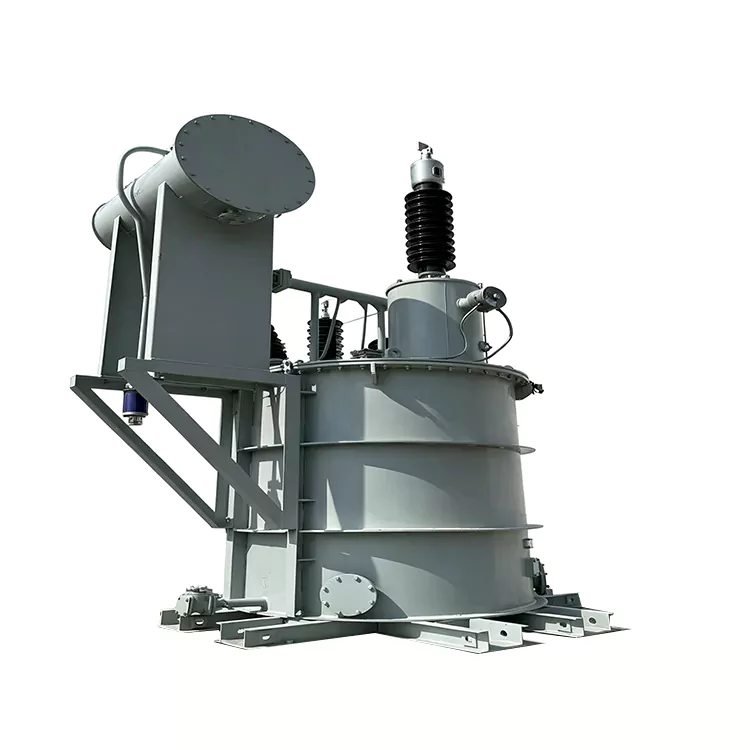
Jiangshan Yulan Transformer Co., Ltd. designs and manufactures neutral grounding reactors for high-voltage power systems. The reactor is connected between the neutral point of a transformer or shunt reactor and ground. It limits single-phase ground fault current, provides system damping, and helps control resonance overvoltage.
Manufacturer since 1999
Neutral Grounding Reactor for 35 kV, 66 kV, 110 kV and 220 kV Systems
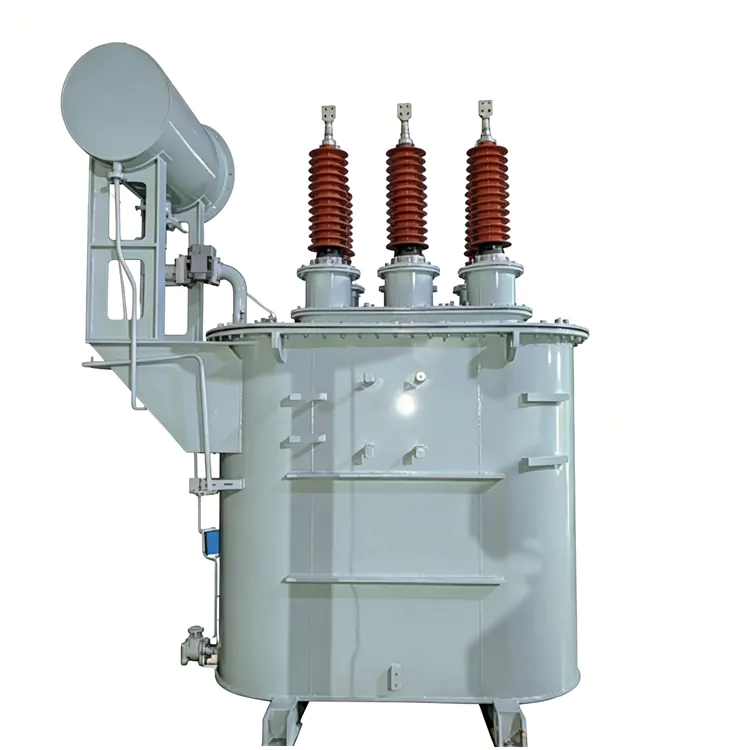
A single-phase, fixed-reactance neutral grounding reactor connected between the neutral point of a transformer or shunt reactor and ground. It limits single-phase ground fault current, damps resonance overvoltage and stabilizes neutral potential in high-voltage networks.
- Limits single-phase ground fault current
- Damps resonance overvoltage
- Stabilizes neutral potential
- Dry-type and oil-immersed versions
- Copper winding, stable reactance
- Built to IEC 60076-6 and GB 1094.6
Reply within 24 hours · Reactance design to project data · Routine test reports supplied with every unit
1999Transformer and reactor manufacturing since
35–220 kVRated system voltage range
ISO 9001 / 14001 / 45001Certified management systems
100% Routine TestedBefore shipment
Product Summary
The neutral grounding reactor is not a reactive power compensation device. Its function is grounding protection and system damping. It introduces a constant inductive impedance into the neutral-to-ground path, so that during a single-phase ground fault the fault current is limited and the risk of resonance overvoltage caused by single-phase grounding or open-phase operation is reduced. The device helps protect transformer windings, switchgear and line insulation, and supports reliable operation of protective relays.
- Product type: single-phase, fixed-reactance neutral grounding reactor (NGR reactor)
- Rated system voltage: 35 kV, 66 kV, 110 kV, 220 kV
- Connection: transformer neutral to ground; shunt reactor neutral to ground
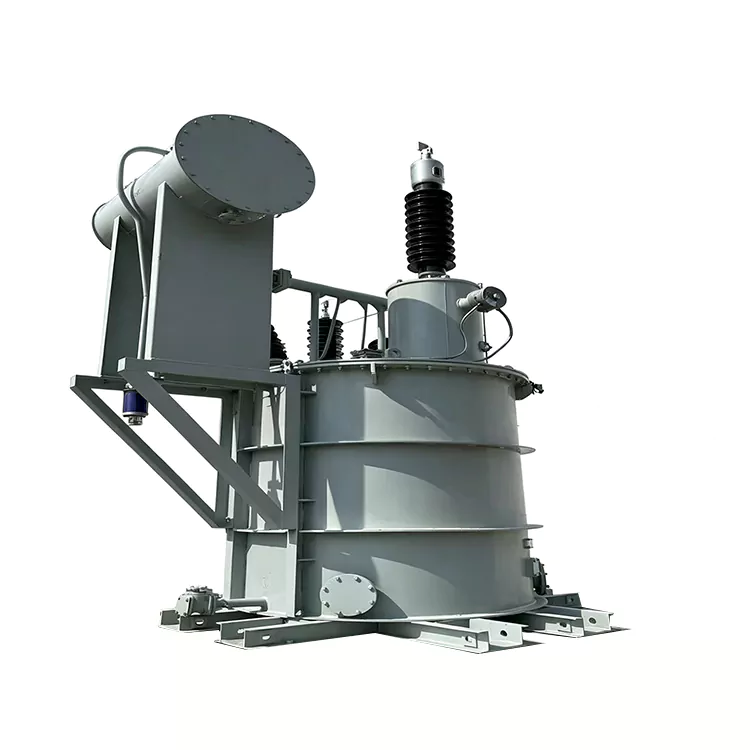
- Construction: dry-type (epoxy cast or open dry-type) and oil-immersed
- Core: air-core or low-saturation iron core
- Winding: copper conductor, controlled turns and impedance tolerance
- Fault duration: 10 s, 30 s, 60 s or as specified
- Standards: GB 1094.6, IEC 60076-6, DL/T
- Application: high-voltage transmission systems and resonance-prone grids
System Grounding Methods Compared
Neutral grounding practice affects fault current, overvoltage level, insulation coordination and protection design. The table below compares the common methods used in medium- and high-voltage systems.
| Grounding method | Fault current | Overvoltage risk | Insulation requirement | Typical use |
|---|---|---|---|---|
| Direct grounding | Very high | Low | High at neutral | EHV systems, strong grids |
| Neutral grounding resistor | Limited | Moderate | Moderate | Industrial systems, generator neutrals |
| Neutral grounding reactor | Limited | Low to moderate | Moderate | High-voltage transmission, resonance-prone grids |
| Ungrounded | Very low | High | High | Small systems, specific industrial cases |
| Arc suppression coil | Very low | Low | Moderate | Cable networks, resonant grounding systems |
A neutral grounding reactor is selected when inductive impedance is needed to limit fault current and provide damping without the energy dissipation of a resistor. For solutions where resistive current limitation is preferred, see the neutral grounding resistor range.
Working Principle
Normal Balanced Operation
The reactor is connected between the neutral point and ground. Under normal balanced operation the neutral-to-ground voltage is low, so the reactor has little effect on the system and carries only a small continuous neutral current.
Single-Phase Ground Fault
When a single-phase ground fault occurs the neutral point shifts. The reactor presents a fixed inductive impedance that limits the ground fault current and reduces thermal and dynamic stress on the transformer and nearby equipment.
The inductive path also provides damping to the zero-sequence circuit. It suppresses resonance overvoltage and helps reduce step voltage and touch voltage near the fault, which improves safety for personnel and secondary equipment.
Construction and Main Components
| Part | Description |
|---|---|
| Core | Air-core or low-saturation iron core. Stable reactance under fault current. |
| Winding | Copper conductor. Turns and impedance tolerance controlled for accurate reactance. |
| Insulation system | Dry-type: epoxy cast or open dry-type. Oil-immersed: sealed tank with transformer oil. |
| Support structure | High-strength insulating supports, base frame and vibration damping. |
| Monitoring | Temperature monitoring and online fault monitoring optional. |
| Protection accessories | Oil-immersed types: oil level gauge, oil temperature sensor, pressure relief valve, gas relay. |
Technical Data
Parameters below are typical ranges. Rated reactance, rated current and thermal duty are designed to the project grounding study and protection settings.
| Parameter | Range or description |
|---|---|
| Rated system voltage | 35 kV, 66 kV, 110 kV, 220 kV |
| Type | Single-phase, dry-type or oil-immersed |
| Connection | Transformer neutral to ground; shunt reactor neutral to ground |
| Rated reactance | Project-specific |
| Rated current | Based on single-phase ground fault current and duration |
| Fault duration | 10 s, 30 s, 60 s, or as specified |
| Insulation | Epoxy cast / open dry-type; transformer oil for oil-immersed |
| Cooling | AN / AF for dry-type; ONAN / ONAF for oil-immersed |
| Core type | Air-core or low-saturation iron core |
| Winding material | Copper |
| Reactance linearity | Stable over the specified fault current range |
| Temperature rise | According to GB / IEC |
| Noise | Project-specific limit |
| Monitoring | Temperature monitoring; online fault monitoring optional |
| Installation | Indoor or outdoor; oil-immersed requires accident oil pit |
| Standards | GB 1094.6, IEC 60076-6, DL/T |
Selection and Design Inputs
The reactor design depends on system grounding requirements and protection settings. Provide the following inputs and our engineers will return a reactance proposal.
| Input | Why it matters |
|---|---|
| System voltage and frequency | Determines insulation level and basic design |
| Neutral insulation level | Limits voltage stress during ground fault |
| Required ground fault current | Sets the reactance value |
| Fault duration | Determines thermal capacity |
| Transformer or reactor neutral data | Confirms connection and insulation coordination |
| Protection scheme | Affects zero-sequence sensitivity and coordination |
| Resonance conditions | Determines damping requirement |
| Installation environment | Dry-type or oil-immersed selection |
| Altitude, pollution, noise limit | External insulation and cooling design |
Dry-Type vs Oil-Immersed
| Item | Dry-type neutral grounding reactor | Oil-immersed neutral grounding reactor |
|---|---|---|
| Insulation | Epoxy cast or open dry-type | Transformer oil |
| Fire safety | No oil; suitable for indoor use | Requires fire protection and oil pit |
| Voltage and capacity | Medium and high voltage, normal capacity | High voltage, large current, high capacity |
| Cooling | AN / AF | ONAN / ONAF |
| Maintenance | Low maintenance | Periodic oil tests required |
| Installation | Indoor, compact | Outdoor, civil works required |
| Typical use | Urban substations, indoor stations, safety-sensitive sites | 110 kV / 220 kV hub substations, severe duty |
Air-Core vs Iron-Core
Air-core reactors have linear reactance and no saturation. Iron-core reactors can be more compact but require a low-saturation design. The choice depends on current, reactance and available space.
Current Ratings
Continuous current is based on system unbalance and continuous neutral current. Short-time current is based on ground fault current and fault duration. Both are project-specific.
Coordination with Protection
The neutral grounding reactor affects zero-sequence current and voltage during a ground fault. Its reactance must be coordinated with the following protection functions:
Zero-sequence overcurrent protection
Directional ground fault protection
Transformer neutral overvoltage protection
Sensitive ground fault detection
Backup protection settings
Resonant grounding coordination
In systems where resonance overvoltage is a concern, the inductive impedance provides damping that a resistor cannot provide in the same way. The final reactance value should be confirmed by a system study. Where a resonant grounding design is used, review coordination with the arc suppression coil arrangement.
Installation, Commissioning and Maintenance
Installation and Commissioning Checks
- Visual inspection of insulation, supports and connections
- Insulation resistance measurement
- Power frequency withstand voltage test
- Reactance or impedance measurement
- Polarity and connection check
- Temperature and monitoring circuit check
- Protection relay coordination test
- Oil tests for oil-immersed units before energization
Operation and Maintenance
Dry-type reactors require periodic visual inspection, cleaning and temperature monitoring. Oil-immersed reactors require oil level, oil temperature, leakage and bushing checks, plus periodic oil tests for dielectric strength, moisture, dissolved gas analysis and acid value.
Monitoring is recommended for unattended substations. Temperature monitoring and online fault monitoring can be provided. For oil-immersed reactors, an accident oil pit, fire protection and oil containment are required according to local codes.
Manufacturing and Quality Records
Jiangshan Yulan Transformer Co., Ltd. has manufactured transformers and reactors since 1999. The company operates ISO 9001:2015, ISO 14001:2015 and ISO 45001:2018 management systems. Products are tested by the National Transformer Product Testing Center of China where required.
Routine tests include winding resistance, insulation resistance, power frequency withstand voltage and reactance measurement. Type tests and special tests are available according to project requirements. Management systems are maintained in line with ISO requirements, and product testing follows IEC 60076-6 and GB 1094.6.
ISO 9001:2015 Quality Management ISO 14001:2015 Environmental Management ISO 45001:2018 Occupational Health and Safety National Transformer Product Testing Center of China Factory routine test reports Type and special tests on request
Frequently Asked Questions
When should a neutral grounding reactor be used instead of a neutral grounding resistor?
A reactor is preferred when inductive impedance is needed for fault current limitation and resonance overvoltage damping. A resistor is often used when the main goal is current limitation and energy dissipation. The choice depends on the system grounding study and protection coordination.
Does the neutral grounding reactor affect zero-sequence protection?
Yes. The reactor changes the zero-sequence impedance path. Its reactance must be coordinated with zero-sequence overcurrent, directional ground fault and neutral overvoltage protection settings.
Can it be connected to a shunt reactor neutral?
Yes. It can be connected between the shunt reactor neutral and ground for grounding protection and damping.
What is the difference between air-core and iron-core neutral grounding reactors?
Air-core reactors have linear reactance and no saturation. Iron-core reactors can be more compact but require a low-saturation design. The choice depends on current, reactance and available space.
How are continuous and short-time current ratings determined?
Continuous current is based on system unbalance and continuous neutral current. Short-time current is based on ground fault current and fault duration. Both are project-specific.
What tests are performed before shipment?
Routine tests include winding resistance, insulation resistance, power frequency withstand voltage and reactance measurement. Type and special tests are available on request.
Can it be used in a resonant grounded system?
It can be used in systems where inductive neutral grounding is required. Coordination with arc suppression or resonant grounding design should be reviewed.
What information is needed for design and quotation?
System voltage, frequency, neutral insulation level, required ground fault current, fault duration, protection scheme, indoor or outdoor installation, altitude, pollution level, noise limit and project schedule.
Request a Neutral Grounding Reactor Quotation
Send us your system voltage, neutral insulation level, required ground fault current and fault duration. Our engineering team will confirm the reactance value, propose dry-type or oil-immersed construction, and return a quotation with drawings and lead time.
Typical response time: within 24 working hours · English technical documents and test reports provided
Related Category
Send Inquiry
Contact Info
-
Address
No. 20, Bai'e Road, Hecun Town, Jiangshan City, Zhejiang Province,CHINA
-
Tel
-
Email
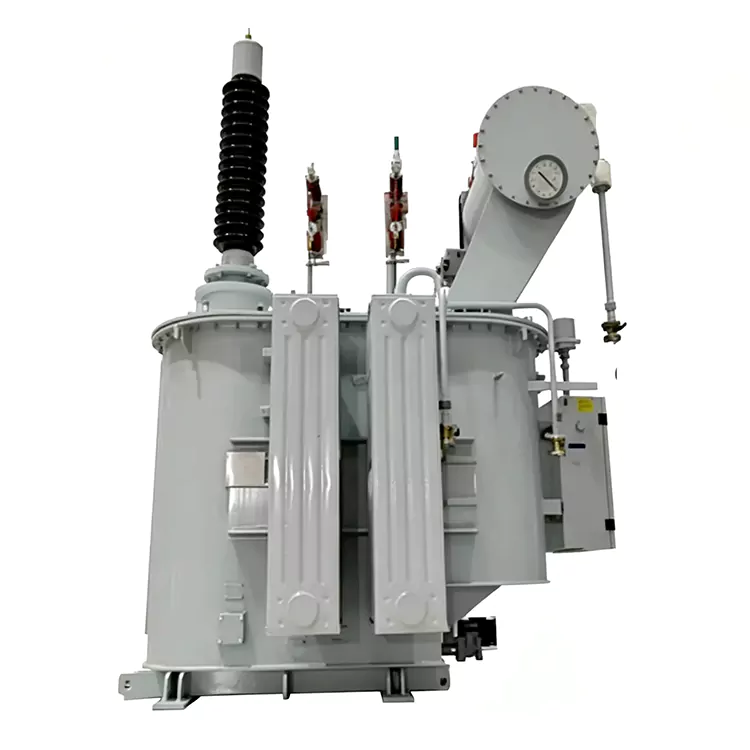
Send specs for power, furnace or rectifier transformers and get a customized quotation and price list, direct from Yulan Transformer factory. Bulk orders welcome.
Related Products
News Recommendations