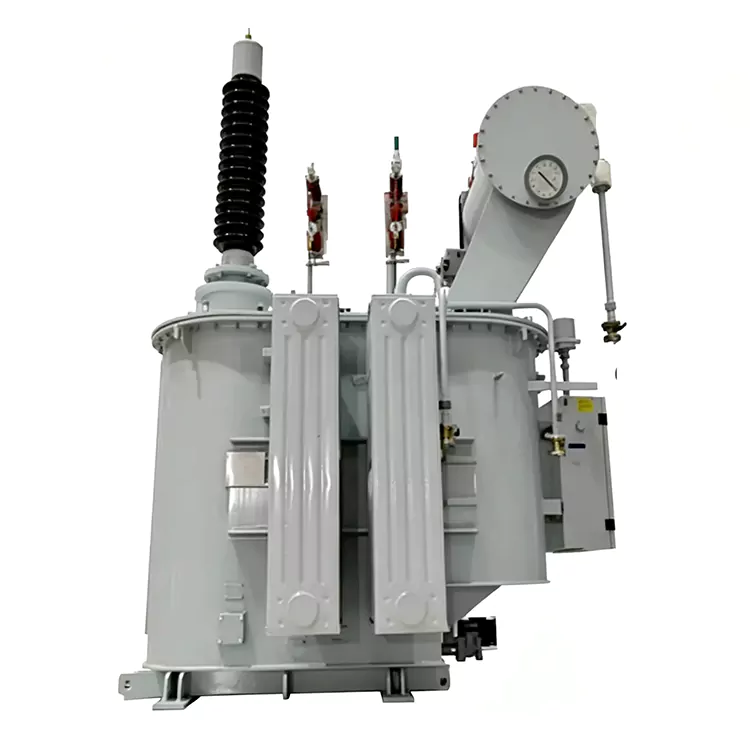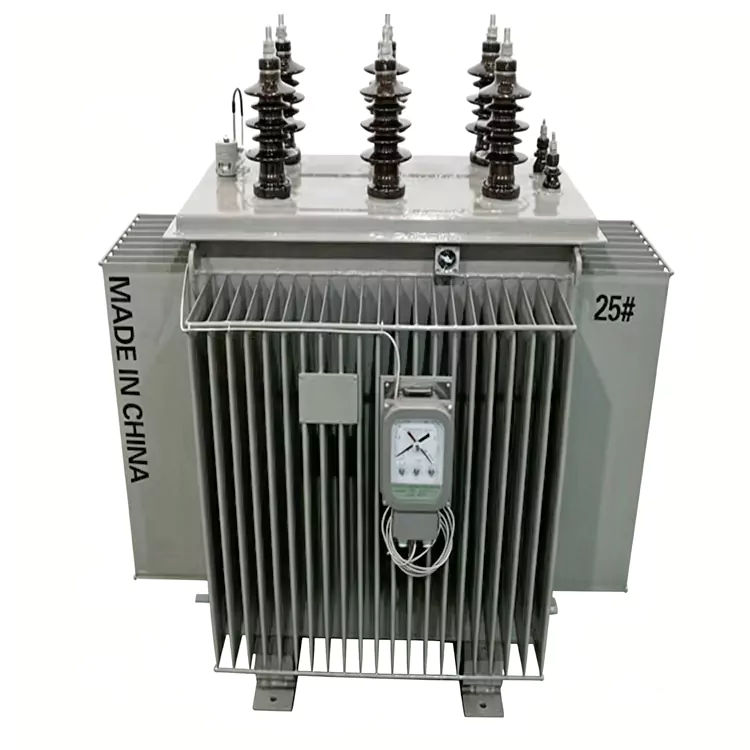
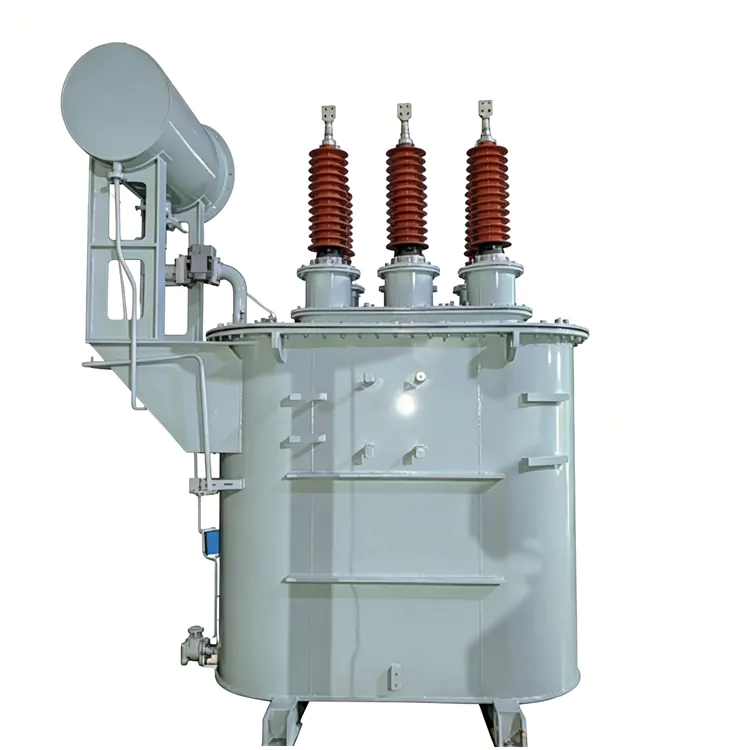
Oil-Immersed Three-Phase Core Series Reactor
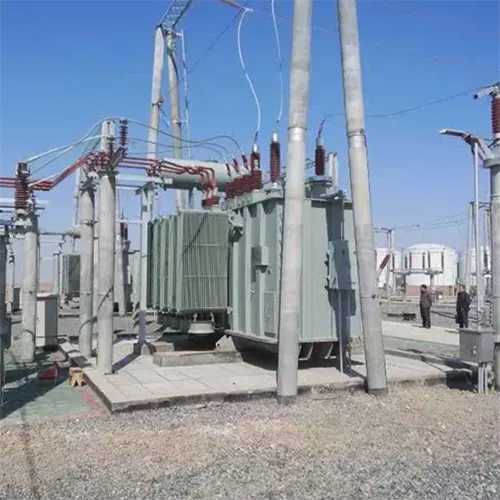
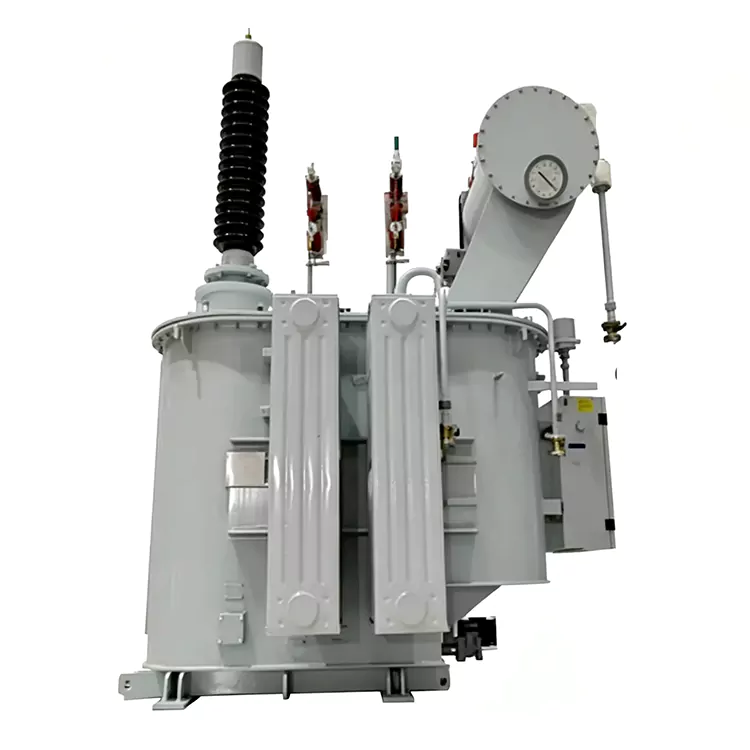
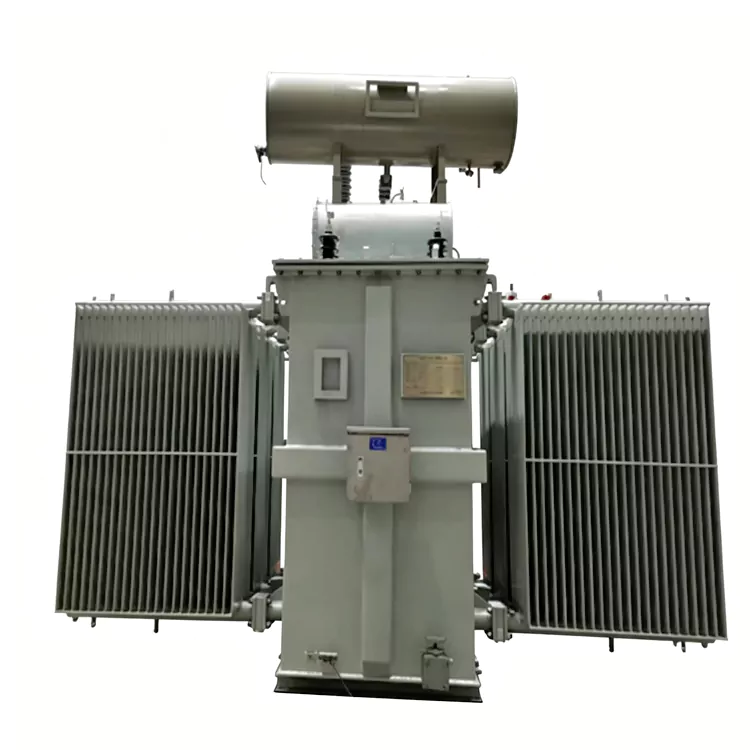
Manufactured by Jiangshan Yulan Transformer Co., Ltd., this oil-immersed three-phase core series reactor is used in capacitor bank circuits for reactive power compensation and harmonic filtering. It is connected in series with the capacitor bank. Its fixed inductance limits switching inrush current and, with a selected reactance rate, forms a tuned branch to reduce harmonic amplification and resonance risk.
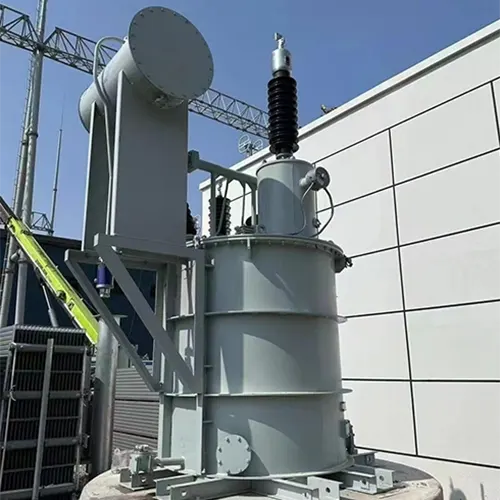
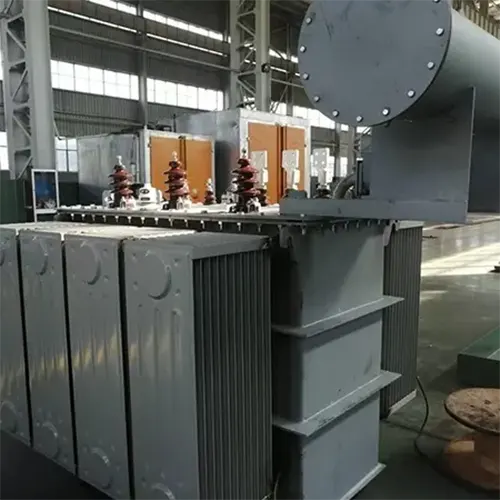
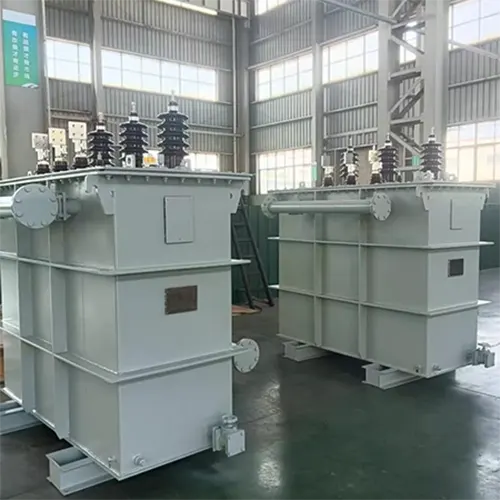
The oil-immersed three-phase core series reactor is produced by Jiangshan Yulan Transformer Co., Ltd., a transformer and reactor manufacturer established in 1999 with 110kV-class production capability. It is connected in series with capacitor banks to limit switching inrush current, form a tuned filter branch, and suppress harmonic amplification and resonance. The design uses a three-phase common core and transformer oil for insulation and cooling, making it suitable for high-voltage, high-current, and continuous duty in reactive power compensation systems.
Product Overview
This series reactor is a fixed-reactance device for reactive power compensation and harmonic treatment. It is connected in series with the capacitor bank.
Unlike a shunt reactor, which is connected in parallel to absorb capacitive reactive power and limit light-load overvoltage, the series reactor protects the capacitor bank, limits closing inrush current, and filters harmonics. It is used in high-voltage capacitor compensation assemblies and industrial variable-frequency filtering systems.
The reactance is fixed, the magnetic circuit is stable, and the oil-immersed structure provides heat dissipation and insulation for high-voltage, high-current, continuous operation.
Application Role
The oil-immersed three-phase core series reactor is installed at the capacitor bank incoming side. It protects the capacitor bank from high-frequency switching currents and helps the compensation branch operate with a defined harmonic impedance.
It is not a shunt reactor. A shunt reactor is connected in parallel with the line or bus to absorb capacitive reactive power and limit light-load overvoltage. A series reactor is connected in series with capacitors and performs current limiting and tuning functions.
Working Principle
The reactor winding is connected in series with the capacitor bank. The iron-core inductance provides a fixed impedance.
During capacitor switching, the reactor limits the high-frequency inrush current. With a matched reactance rate, the reactor and capacitor form a tuned filter branch. This branch absorbs selected harmonic orders and prevents harmonic current from being amplified by the capacitor bank. The result is a more stable compensation circuit and reduced risk of resonance overvoltage.
Construction
|
Part |
Description |
|
Core |
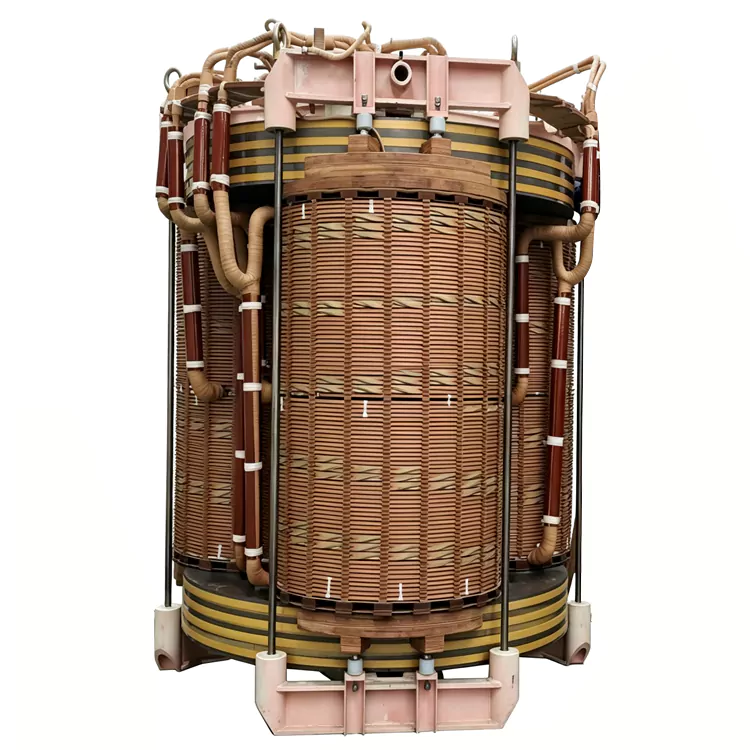
Three-phase common core, cold-rolled silicon steel, segmented air gaps to reduce saturation |
|
Windings |
Oxygen-free copper conductors, designed for continuous current and switching impact |
|
Tank and oil system |
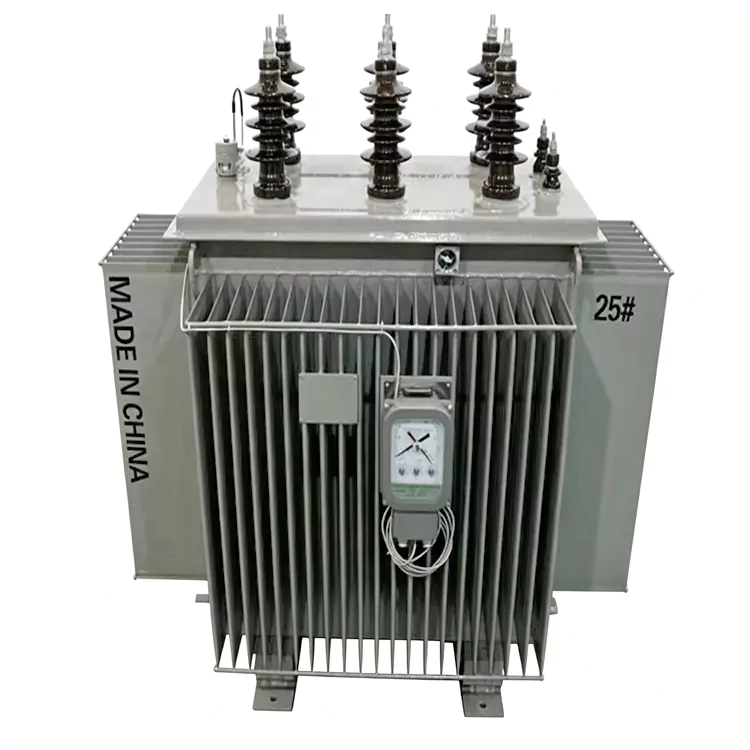
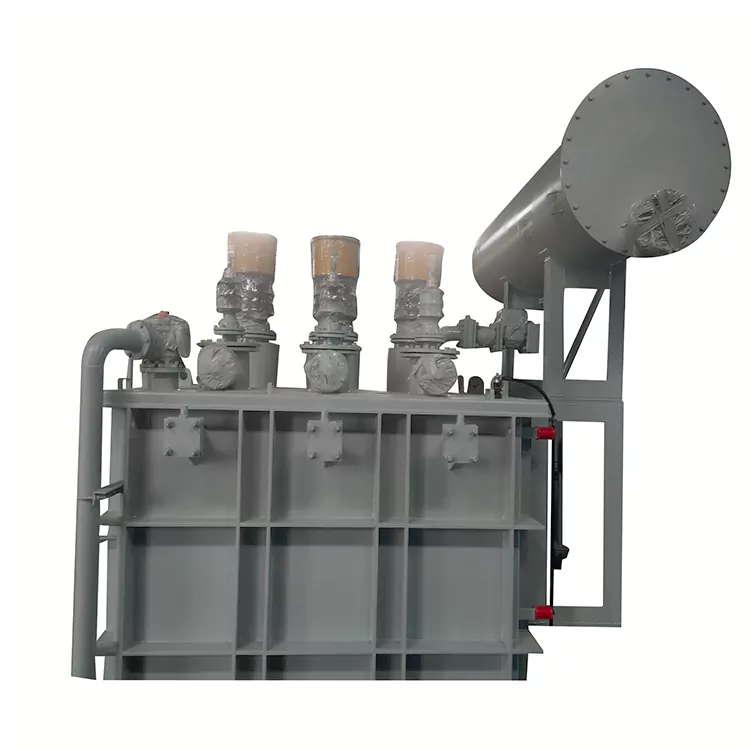
Sealed steel tank, transformer oil for insulation and cooling, conservator, HV/LV bushings, pressure relief valve, gas relay, oil level gauge, temperature sensor |
|
Accessories |
Support base, grounding terminal, drain valve, oil sampling valve, cooling ducts for large-capacity units |
|
Protection |
Gas relay, pressure relief, oil level, oil temperature, overcurrent |
Technical Data
|
Parameter |
Range or description |
|
Rated voltage |
6 kV, 10 kV, 35 kV; higher voltage on request |
|
Frequency |
50 Hz / 60 Hz |
|
Type |
Oil-immersed, three-phase core, series reactor |
|
Connection |
Series with capacitor bank |
|
Reactance rate |
4.5%, 5%, 6%, 7%, 12%, 13%, or as specified |
|
Rated current |
Matched to capacitor bank |
|
Rated capacity |
Matched to capacitor bank |
|
Insulation medium |
Transformer oil |
|
Cooling |
ONAN / ONAF |
|
Core type |
Three-phase common core with segmented air gaps |
|
Winding material |
Oxygen-free copper |
|
Inductance linearity |
Stable over the operating range |
|
Temperature rise |
According to GB / IEC |
|
Noise |
Project-specific limit |
|
Installation |
Outdoor or indoor; accident oil pit required |
|
Standards |
GB 1094.6, GB/T 10229, IEC 60076-6, DL/T |
Reactance Rate Selection
|
Reactance rate |
Typical harmonic target |
Notes |
|
4.5% – 5% |
5th harmonic |
Common for 5th harmonic suppression |
|
5.5% – 6% |
5th and 7th harmonic |
Used where both orders are present |
|
7% |
5th harmonic |
Higher impedance, stronger inrush limitation |
|
12% – 13% |
3rd harmonic |
Used for 3rd harmonic and special tuning |
The final value depends on the system harmonic spectrum, capacitor bank parameters, and short-circuit capacity.
Series Reactor and Shunt Reactor
|
Item |
Series reactor |
Shunt reactor |
|
Connection |
In series with capacitor bank |
In parallel with line or bus |
|
Main function |
Limit inrush current, form tuned filter |
Absorb capacitive reactive power, limit overvoltage |
|
Reactance |
Fixed |
Fixed or controllable |
|
Typical location |
Capacitor compensation branch |
Long transmission line, cable network, substation bus |
|
Protection target |
Capacitor bank and compensation circuit |
System voltage and line capacitance effect |
Installation and Maintenance
The reactor should be installed according to the project drawing and local electrical codes. Oil-immersed equipment requires an accident oil pit, fire protection, and oil containment.
Routine inspection includes oil level, oil temperature, leakage, bushing condition, gas relay, pressure relief valve, and grounding. Periodic oil tests should cover dielectric strength, moisture, dissolved gas analysis, and acid value.
Manufacturing, Certification and Testing
The manufacturer operates ISO 9001:2015, ISO 14001:2015 and ISO 45001:2018 management systems. Products are tested by the National Transformer Product Testing Center of China.
In-house tests include winding resistance, insulation resistance, power frequency withstand voltage, partial discharge, and temperature rise where required. Production equipment includes vacuum drying systems, impulse test equipment, PD-free test transformers, core cutting lines, winding machines, hydraulic presses, and foil winding machines.
FAQ
Q: Can this reactor be used with an existing capacitor bank?
A: Yes. The capacitor bank data, system voltage, and harmonic condition are needed to confirm the reactance rate and current rating.
Q: How is the reactance rate selected?
A: It is selected from the harmonic spectrum and capacitor bank parameters. A system study is recommended before final selection.
Q: What oil tests are required during operation?
A: Dielectric strength, moisture, dissolved gas analysis, and acid value are common tests. Intervals depend on site conditions and local practice.
Q: What is the difference between this reactor and an MCR?
A: This series reactor has fixed reactance and is connected with capacitors. An MCR is a controllable reactor that adjusts reactive power continuously by DC excitation.
Q: Can it be installed outdoors?
A: Yes. Outdoor installation requires weather protection, an accident oil pit, and fire protection according to local codes.
Q: Are 50 Hz and 60 Hz designs available?
A: Yes.
Q: What is the typical lead time?
A: Lead time depends on voltage, current, reactance rate, and project schedule. Please contact the sales team with project details.
Quotation Information
Please provide:
1. System rated voltage and frequency
2. Capacitor bank capacity and connection
3. Required reactance rate and harmonic order
4. Rated current and overload requirement
5. Indoor or outdoor installation
6. Altitude, pollution level, and noise limit
7. Protection and communication requirements
8. Project schedule
For project-specific selection and quotation, please contact our sales team.
Related Category
Send Inquiry
Contact Info
-
Address
No. 20, Bai'e Road, Hecun Town, Jiangshan City, Zhejiang Province,CHINA
-
Tel
-
Email
Send specs for power, furnace or rectifier transformers and get a customized quotation and price list, direct from Yulan Transformer factory. Bulk orders welcome.
Related Products
News Recommendations