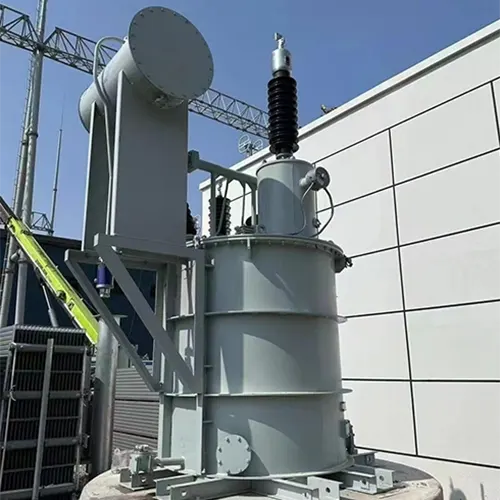
Dry-Type Iron-Core Shunt Reactor
Jiangshan Yulan Transformer Co., Ltd. supplies Dry-Type Iron-Core Shunt Reactors for medium- and high-voltage systems. These fixed-capacity, cast-resin, oil-free reactors absorb capacitive reactive power and control light-load voltage rise. They suit cable networks and substations. Custom designs are available. Please inquire, order, or request a quote.
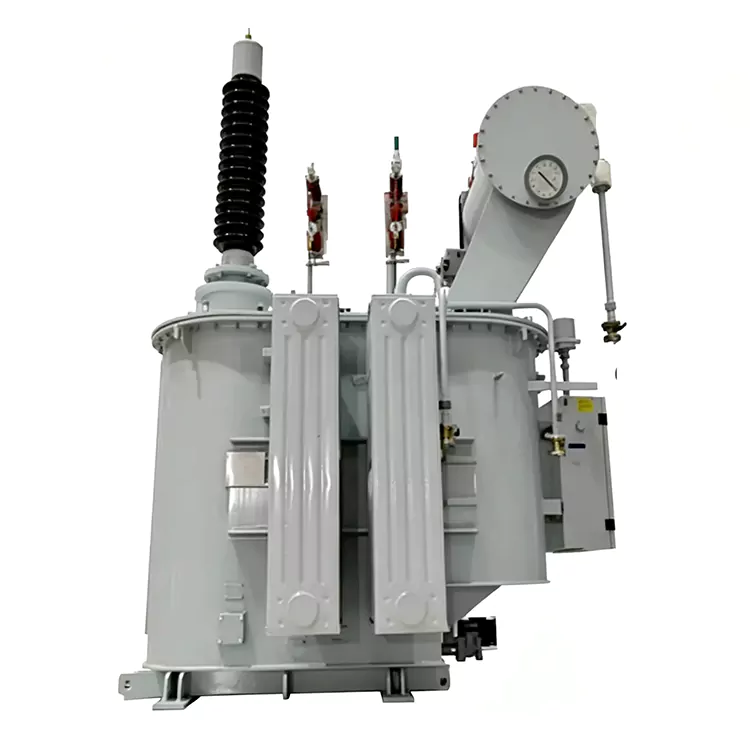
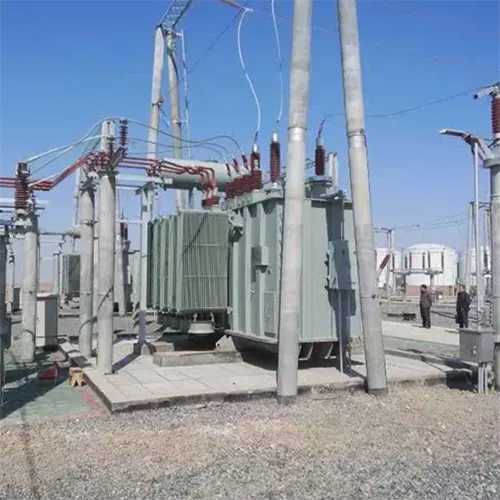
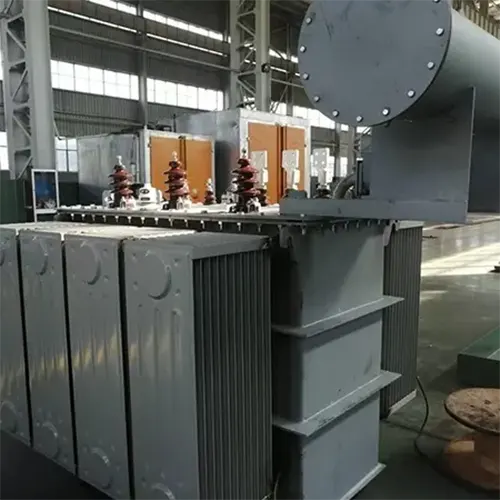
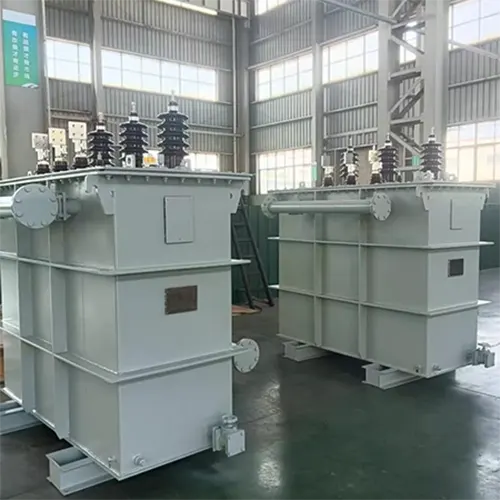
The Dry-Type Iron-Core Shunt Reactor from Jiangshan Yulan Transformer Co., Ltd. is a fixed-capacity reactive power compensation device designed to absorb excess capacitive reactive power in medium- and high-voltage power systems. It is commonly applied to cable networks, substations and industrial distribution systems where line charging current can cause elevated voltage during light-load or no-load operation.
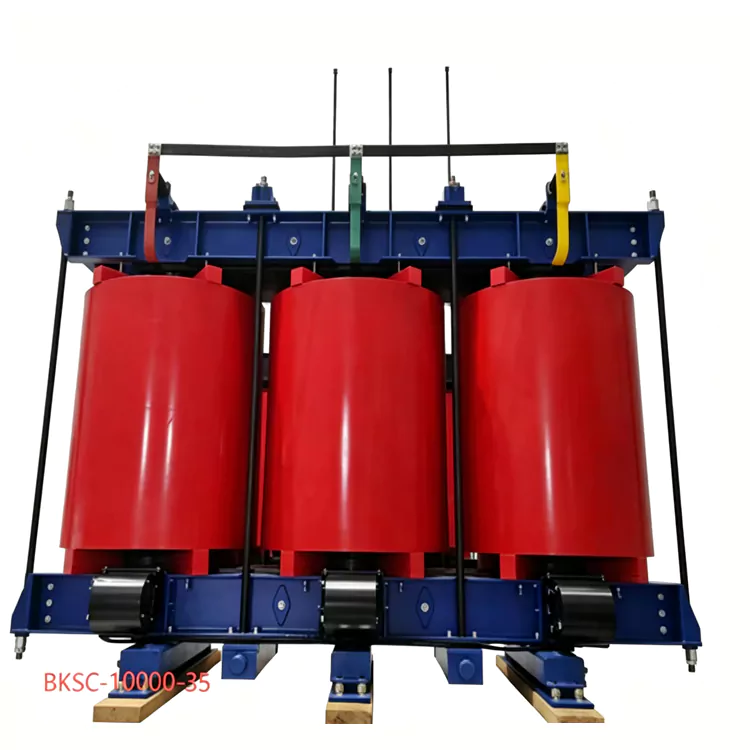
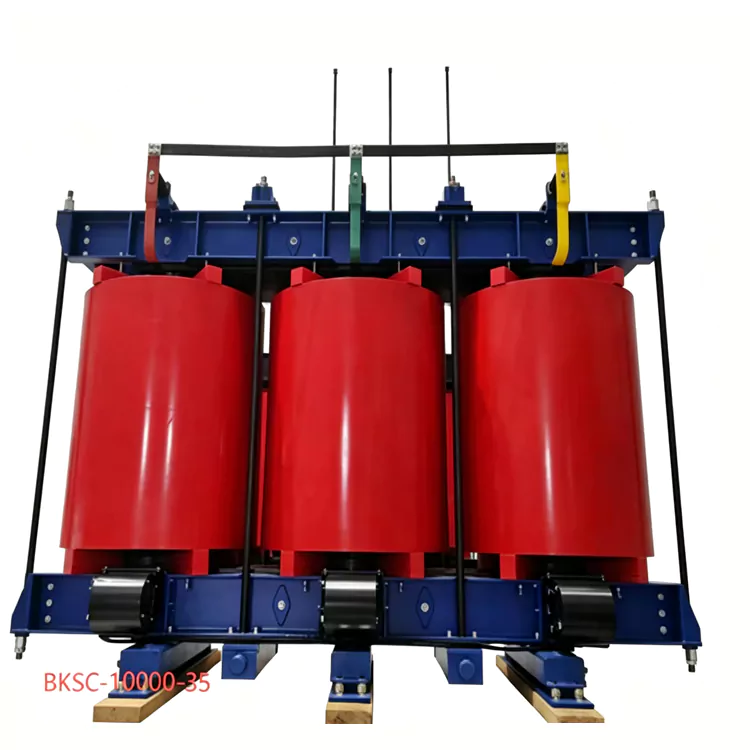
The reactor uses an iron-core magnetic circuit with distributed air gaps and dry-type cast-resin insulation. Unlike a magnetically controlled reactor, its rated reactance is fixed and does not require continuous capacity adjustment. The oil-free construction eliminates the need for insulating-oil management and can be considered for installations where fire protection, indoor installation and simplified maintenance are important design requirements.
Product Overview
Long underground cables and overhead lines with significant capacitance can generate capacitive reactive power, particularly when the system is lightly loaded. If this reactive power is not properly absorbed, the receiving-end or bus voltage may rise beyond the required operating range.
A shunt reactor is connected in parallel with the power system to provide inductive reactive power. The reactor absorbs part of the capacitive reactive power generated by the line and helps control voltage under light-load or no-load conditions.
The Yulan dry-type iron-core shunt reactor is designed as a fixed-capacity unit. Its final electrical and mechanical configuration is determined according to the rated voltage, reactive power, system frequency, insulation level, installation environment and applicable standards of the project.
Working Principle
The reactor is connected in parallel with the power system. Its inductive reactance absorbs capacitive reactive power produced by transmission or distribution lines.
When a cable network or lightly loaded line generates excessive charging current, the shunt reactor provides an inductive current component to offset part of the capacitive current. This reduces the net capacitive reactive power and helps limit voltage rise.
The reactor does not regulate reactive power continuously. Its compensation capacity is determined by its rated electrical parameters and remains essentially fixed during normal operation.
This makes the product different from a magnetically controlled reactor, which changes its reactive power output through magnetic control.
Main Construction
1. Iron Core
The magnetic core is assembled from grain-oriented electrical steel with distributed air gaps. The segmented air-gap structure is used to establish the required magnetic reluctance and maintain the reactor's inductive characteristics within the specified operating range.
Core clamping and mechanical reinforcement are designed to control vibration and electromagnetic forces during operation.
2. High-Voltage Winding
The winding uses copper conductors and dry-type insulation. Vacuum cast epoxy resin is used to form the main insulation structure, providing electrical insulation and protection against moisture and dust under the specified operating conditions.
The winding design can be configured according to the required voltage class, insulation level, current and reactive power rating.
3. Insulation and Mechanical Support
High-strength insulating components, metal clamping parts and vibration-control structures are integrated into the reactor assembly.
The mechanical structure is designed to withstand the electromagnetic forces associated with normal operation and specified short-circuit conditions.
4. Temperature Monitoring and Cooling
Temperature sensors can be provided for winding or operating-temperature monitoring.
For higher-capacity designs, forced-air cooling can be configured when required by the thermal design. Alarm and fan-control functions can also be integrated according to the project requirements.
Technical Specifications
The following parameters should be confirmed against the specific Yulan design and project specification before quotation or ordering.
|
Parameter |
Specification / Configuration |
|
Product type |
Dry-Type Iron-Core Shunt Reactor |
|
Reactor type |
Fixed-capacity shunt reactor |
|
Insulation type |
Dry-type cast-resin insulation |
|
Magnetic core |
Grain-oriented electrical steel with distributed air gaps |
|
Winding conductor |
Copper |
|
Rated voltage |
According to project requirements |
|
Rated reactive power |
According to project requirements |
|
System frequency |
According to project requirements |
|
Insulation level |
According to rated voltage and applicable standard |
|
Installation |
Indoor or outdoor, subject to design configuration |
|
Cooling |
Natural air cooling; forced-air cooling available for applicable designs |
|
Temperature monitoring |
Available |
|
Over-temperature protection |
Available according to configuration |
|
Capacity regulation |
Fixed |
|
Insulating oil |
None |
|
Application voltage range |
Commonly used in medium-voltage and high-voltage systems; exact rating to be specified |
|
Ambient conditions |
To be confirmed according to installation site |
|
High-altitude application |
Available with corresponding insulation and cooling design |
|
Applicable standards |
According to project requirements and applicable IEC/GB standards |
Note: Rated voltage, reactive power, insulation level, dimensions, losses, impedance/reactance, noise level and temperature-rise limits should be confirmed from the final technical specification or quotation. They should not be treated as universal values for every reactor model.
Key Design Characteristics
Oil-Free Dry-Type Construction
The reactor contains no insulating oil. This removes oil filling, oil leakage inspection and periodic oil replacement from routine maintenance requirements.
The dry-type configuration can also simplify installation in indoor substations and other locations where oil-filled equipment requires additional fire-protection measures.
Fixed Reactive Power Compensation
The reactor provides a predetermined inductive reactance rather than continuously variable reactive power. This configuration is suitable where the capacitive reactive power and voltage-rise condition of the system are relatively predictable.
Distributed Air-Gap Core
The iron core incorporates distributed air gaps to obtain the required inductance while controlling magnetic flux density. Core design and clamping are important factors in maintaining electrical performance and controlling vibration and acoustic behavior.
Cast-Resin Insulation
Vacuum cast epoxy insulation provides the main dry-type insulation structure. The encapsulated winding design provides protection against moisture and dust under the specified environmental conditions.
Temperature Monitoring
Temperature monitoring can be integrated into the reactor. Depending on the design, alarm signals and fan control can be connected to the plant or substation monitoring system.
Where Dry-Type Shunt Reactors Are Used
The reactor can be specified for applications where line charging reactive power and light-load voltage rise need to be controlled, including:
· 10 kV and 35 kV cable distribution networks
· Substations and switching stations
· Urban underground cable systems
· Industrial parks and industrial distribution networks
· Mining and industrial power systems
· Indoor substations where oil-free equipment is preferred
· Selected renewable-energy substations where capacitive reactive power requires compensation
· Existing distribution networks undergoing voltage-control upgrades
The final reactor rating should be determined from a system study rather than selected only according to nominal line voltage.
Selection Considerations
Before selecting a dry-type iron-core shunt reactor, the following project information should normally be confirmed:
1. System rated voltage
2. Required reactive power
3. System frequency
4. Existing cable or line charging current
5. Light-load and no-load voltage condition
6. Required insulation level
7. Installation altitude
8. Indoor or outdoor installation
9. Ambient temperature and pollution level
10. Cooling requirements
11. Applicable IEC, GB or project-specific standards
12. Required routine, type or special tests
For project-based quotations, Yulan can use these parameters to determine the electrical configuration and mechanical arrangement of the reactor.
Manufacturing and Testing Capability
The dry-type shunt reactor is manufactured by Jiangshan Yulan Transformer Co., Ltd., established in 1999 in Jiangshan, Zhejiang, China.
Yulan manufactures transformers and reactors up to the 110 kV class and has production facilities covering approximately 35,000 m², including a 15,000 m² production workshop. The company has more than 75 employees, including engineering and technical personnel.
Its manufacturing and testing equipment includes:
· 80-ton lifting equipment
· 400 kW kerosene vapor phase vacuum drying system for 110 kV-class products
· 1200 kV impulse test equipment
· 400 kV power-frequency withstand voltage test equipment
· 300 kV induction test equipment
· Computer-controlled vertical winding equipment
· Core slitting and cross-cutting lines
· Foil winding equipment
· Hydraulic pressing equipment
· Other production and electrical testing equipment
These facilities support the manufacture and testing of transformer and reactor products according to the technical requirements of individual projects.
Quality Management and Product Testing
Jiangshan Yulan Transformer Co., Ltd. operates under the following management systems:
· ISO 9001:2015 Quality Management System
· ISO 14001 Environmental Management System
· ISO 45001:2018 Occupational Health and Safety Management System
Where required by the project, product testing can be arranged according to the applicable product standard and technical specification.
For export projects, the applicable IEC requirements, customer specifications and destination-market requirements should be confirmed during the technical clarification stage.
Customization for Project Requirements
A shunt reactor is normally specified as part of a complete power-system design rather than as a standardized commodity item.
Yulan can configure the reactor according to project requirements such as:
· Rated voltage
· Reactive power
· Frequency
· Insulation level
· Installation environment
· Cooling arrangement
· Temperature monitoring
· Enclosure or protection requirements
· Applicable standards
· Site altitude
· Customer technical specifications
For a quotation, customers are recommended to provide a single-line diagram, rated system voltage, required Mvar capacity and relevant technical specification when available.
Dry-Type vs. Oil-Immersed Shunt Reactors
The choice between dry-type and oil-immersed construction depends on voltage class, capacity, installation conditions, fire-safety requirements, environmental conditions and project economics.
|
Item |
Dry-Type Iron-Core Shunt Reactor |
Oil-Immersed Shunt Reactor |
|
Insulation medium |
Cast resin / air |
Insulating oil |
|
Oil management |
Not required |
Required |
|
Oil leakage risk |
None |
Applicable |
|
Fire-protection considerations |
Generally simpler |
Additional measures may be required |
|
Indoor installation |
Suitable for applicable designs |
Possible, subject to site requirements |
|
Maintenance |
No oil inspection or replacement |
Oil-related maintenance required |
|
Large-capacity applications |
Subject to thermal and design limits |
Widely used for applicable large ratings |
|
Site selection |
Strongly influenced by insulation and cooling design |
Strongly influenced by oil containment and fire requirements |
This comparison is a general engineering reference. The appropriate configuration should be determined from the actual system and installation conditions.
Typical Technical Documentation
For project-based supply, the following documents may be available according to the contract and product configuration:
· Product technical specification
· General arrangement drawing
· Electrical schematic or wiring diagram where applicable
· Routine test report
· Factory inspection documentation
· Installation and operation instructions
· Product certificate
· Relevant quality-management certificates
The exact documentation package should be confirmed during quotation and contract review.
Frequently Asked Questions
1. What is a dry-type iron-core shunt reactor used for?
A dry-type iron-core shunt reactor absorbs capacitive reactive power from power lines and cable networks. It is mainly used to control voltage rise caused by line charging during light-load or no-load operation.
2. Is a dry-type shunt reactor adjustable?
The reactor described on this page is a fixed-capacity shunt reactor. Its reactive power compensation is determined by the designed reactance and rated system conditions. It does not provide continuous reactive-power adjustment like a magnetically controlled reactor.
3. What is the difference between a shunt reactor and a magnetically controlled reactor?
A conventional shunt reactor normally operates at a fixed reactance, while a magnetically controlled reactor can adjust its reactive power output through magnetic control. The appropriate type depends on whether the project requires fixed or continuously adjustable reactive-power compensation.
4. Can the reactor be used in a 10 kV or 35 kV cable network?
Yes, dry-type shunt reactors can be designed for 10 kV and 35 kV distribution systems. The required Mvar rating should be calculated from the cable charging characteristics and the operating conditions of the network.
5. Can the reactor be installed outdoors?
Outdoor installation can be considered when the reactor is designed with the required enclosure, insulation, creepage distance, environmental protection and cooling arrangement. Outdoor use should therefore be specified during the design stage.
6. Can it be used at high altitude?
Yes, high-altitude applications can be considered, but the insulation level, air clearances, cooling performance and other design parameters may need to be adjusted according to the site altitude.
7. How is the reactor cooled?
The cooling arrangement depends on the capacity and thermal design. Natural air cooling can be used for applicable designs, while forced-air cooling can be provided for higher-capacity units when required.
8. What information is needed for a quotation?
The basic information normally includes rated system voltage, frequency, required reactive power in Mvar, installation location, indoor/outdoor conditions, site altitude, insulation requirements and applicable technical standards. A single-line diagram is also useful for project evaluation.
9. What tests are performed before delivery?
The exact test program depends on the applicable standard and contract specification. Routine tests and additional type or special tests can be arranged where required by the project.
10. Does Yulan manufacture customized shunt reactors?
Yes. Jiangshan Yulan Transformer Co., Ltd. manufactures transformers and reactors according to project-specific electrical, mechanical, environmental and testing requirements. The final design is confirmed through technical specification review before production.
About Jiangshan Yulan Transformer Co., Ltd.
Established in 1999, Jiangshan Yulan Transformer Co., Ltd. manufactures power transformers, furnace transformers, rectifier transformers and reactors up to the 110 kV class.
The company has a 35,000 m² site, a 15,000 m² production workshop and an annual transformer production capacity of approximately 2.6 million kVA. Its manufacturing and testing facilities support transformer and reactor production, including products with a single-unit capacity of up to 120,000 kVA.
Yulan operates ISO 9001:2015, ISO 14001 and ISO 45001:2018 management systems and supplies transformer and reactor products to domestic and overseas markets.
Request a Technical Specification
For a dry-type iron-core shunt reactor quotation, please provide the rated voltage, required Mvar capacity, frequency, installation conditions and applicable standards.
Yulan can review the project requirements and provide the corresponding technical specification, configuration and quotation.
Related Category
Send Inquiry
Contact Info
-
Address
No. 20, Bai'e Road, Hecun Town, Jiangshan City, Zhejiang Province,CHINA
-
Tel
-
Email
Send specs for power, furnace or rectifier transformers and get a customized quotation and price list, direct from Yulan Transformer factory. Bulk orders welcome.
Related Products
News Recommendations