How Can a Neutral Grounding Reactor Improve Ground Fault Protection in High-Voltage Power Systems
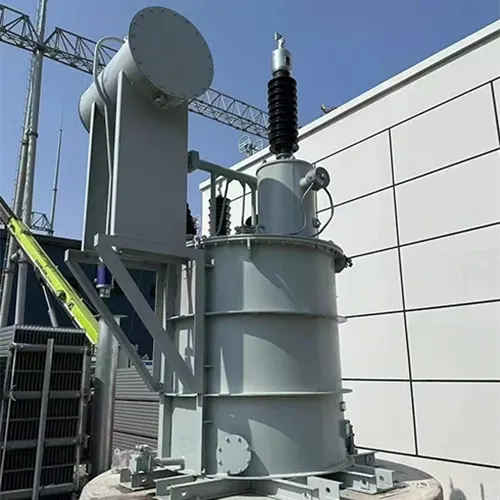
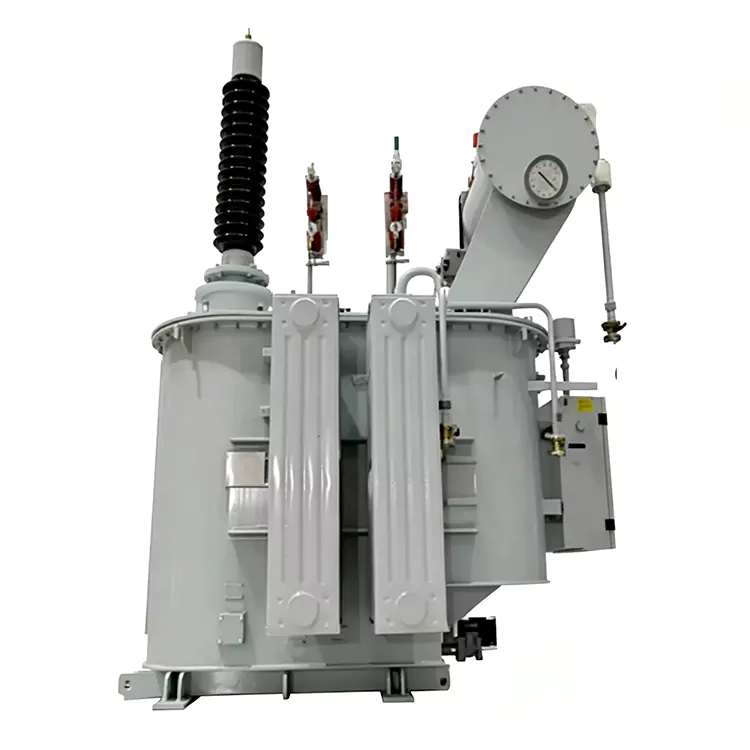
Reliable grounding is essential for protecting high-voltage power networks against electrical faults and insulation stress. Yulan designs and manufactures the Neutral Grounding Reactor for power systems that require controlled single-phase ground fault current, improved neutral stability, and reduced resonance overvoltage risk. By introducing a defined inductive impedance between a transformer neutral point and ground, this equipment supports effective protection coordination and dependable substation operation.
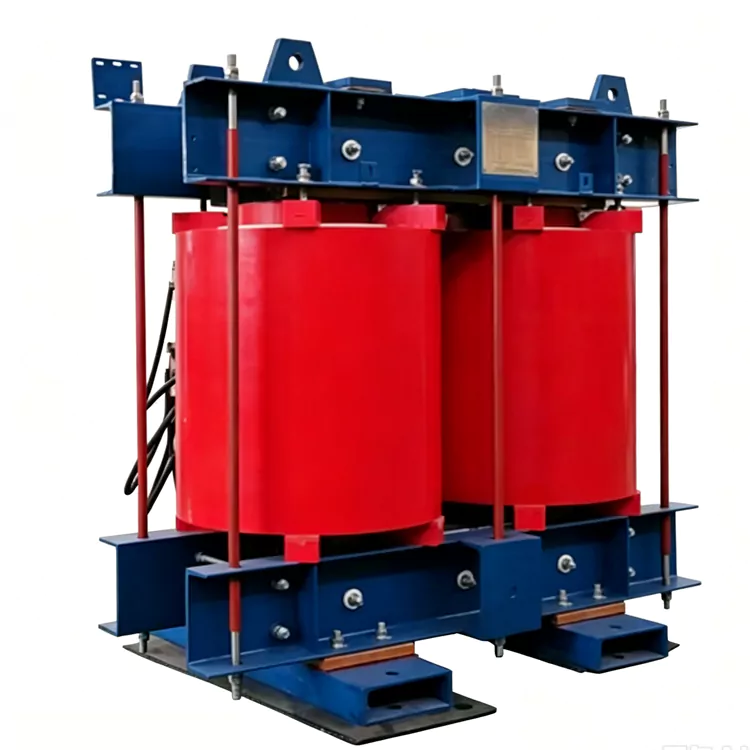
A neutral grounding reactor is an electrical device used in medium- and high-voltage power systems to limit single-phase ground fault current and influence the system's zero-sequence behavior. Its reactance, insulation level, thermal duty, and construction must be selected according to the grounding study and protection requirements. This guide explains the operating principle, major components, technical specifications, selection criteria, installation considerations, and differences between dry-type and oil-immersed designs.
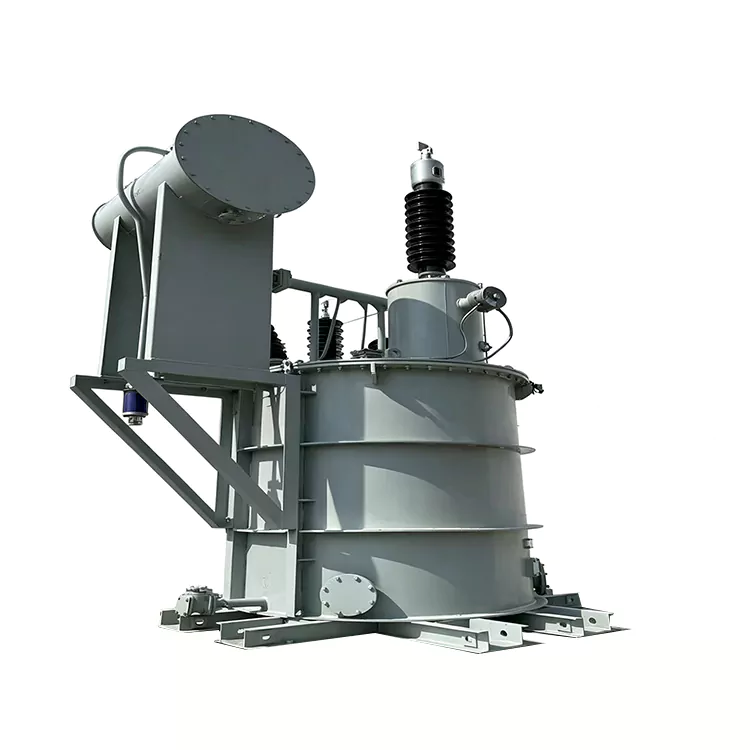
Table of Contents
- What Is a Neutral Grounding Reactor?
- How Does a Neutral Grounding Reactor Work?
- What Are Its Main Benefits?
- Technical Specifications and Design Parameters
- Dry-Type vs. Oil-Immersed Construction
- How to Select the Right Reactor
- Protection Coordination and Installation
- Manufacturing Quality and Testing
- Frequently Asked Questions
- Conclusion: Choosing a Reliable Solution
1. What Is a Neutral Grounding Reactor?
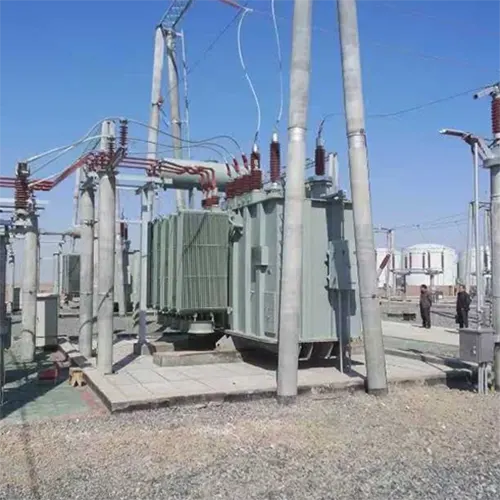
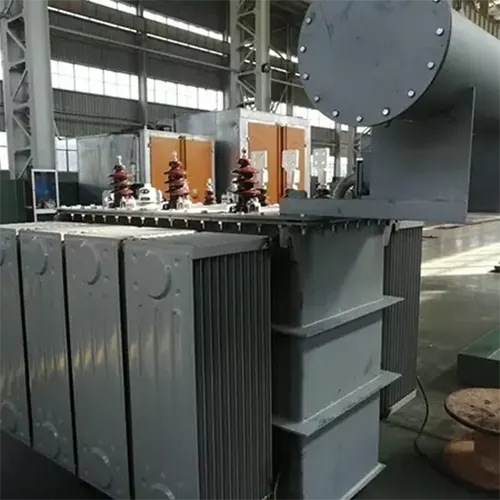
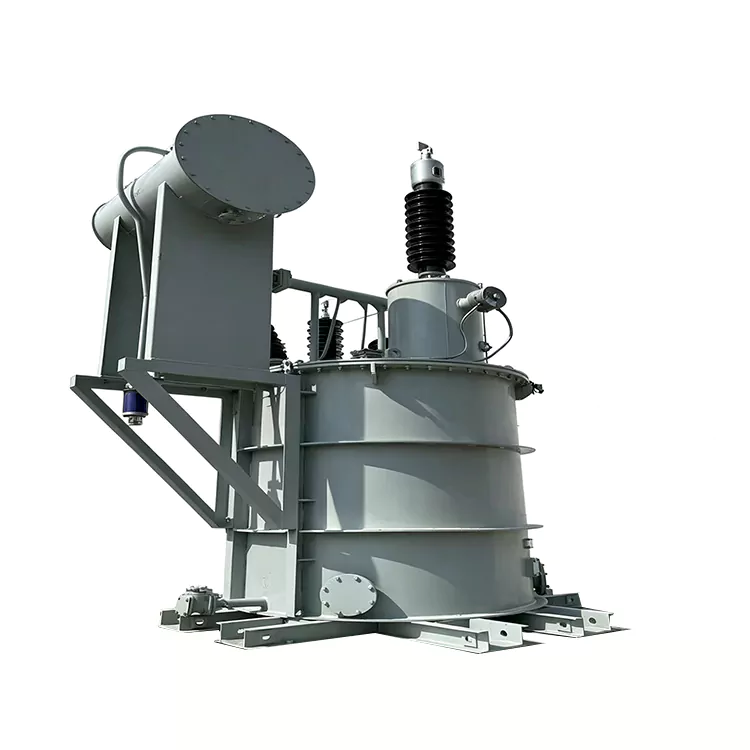
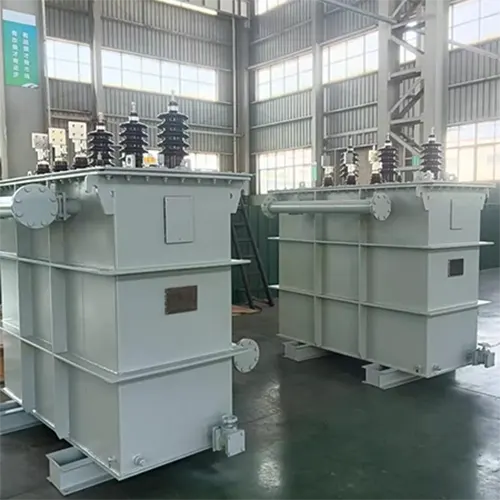
A neutral grounding reactor is an inductive electrical device connected between the neutral point of a transformer or shunt reactor and earth. Its primary purpose is to introduce a specified reactance into the grounding path, helping control ground fault current and the electrical conditions that develop during abnormal operation.
In high-voltage transmission and distribution networks, a single-phase ground fault can produce significant current, disturb neutral-point voltage, and place additional stress on insulation and connected equipment. An appropriately engineered reactor helps manage these conditions while supporting the intended behavior of the grounding and protection systems.
Depending on project requirements, a neutral grounding reactor may be designed for systems with rated voltages such as 35 kV, 66 kV, 110 kV, and 220 kV. The actual equipment rating and configuration must be confirmed against the manufacturer's design capability and the project's electrical specifications.
For related equipment, engineers can also review Yulan's earthing transformer solutions and power transformer and reactor products.
2. How Does a Neutral Grounding Reactor Work?
The operating principle is based on inductive impedance. Under normal balanced operating conditions, the neutral-to-ground voltage is generally low, and the reactor has a limited influence on the system. When a single-phase ground fault occurs, however, the neutral potential and zero-sequence network conditions change.
The reactor then contributes inductive impedance to the fault-current path. The resulting current depends on the system voltage, reactor reactance, network capacitance, grounding arrangement, and fault characteristics. Consequently, the reactor must be designed around the actual electrical system rather than selected by voltage rating alone.
Normal Operating Conditions
- The reactor remains connected between the designated neutral point and earth.
- Its impedance forms part of the system's grounding arrangement.
- Continuous neutral current and thermal conditions must remain within the specified limits.
Single-Phase Ground Fault Conditions
- The neutral point may experience a voltage shift.
- The reactor influences the magnitude and distribution of ground fault current.
- Its inductive characteristics affect zero-sequence circuit behavior.
- Correct coordination can help reduce electrical stress and support reliable fault detection and isolation.
It is important to distinguish a neutral grounding reactor from a general-purpose shunt reactor. A shunt reactor primarily absorbs capacitive reactive power, whereas a neutral grounding reactor is designed for grounding-system performance and fault-related duty.
3. What Are the Main Benefits of a Neutral Grounding Reactor?
When properly specified and integrated into the grounding design, a neutral grounding reactor can provide several practical advantages for utilities, industrial substations, and high-voltage transmission projects.
Controlled Ground Fault Current
Introducing the required inductive reactance can help limit single-phase ground fault current. This may reduce thermal and mechanical stress on relevant equipment, depending on the network configuration and protection scheme.
Improved Grounding-System Performance
The reactor influences neutral-point voltage and zero-sequence behavior during abnormal conditions. These characteristics are important when coordinating transformers, switchgear, protective relays, and insulation systems.
Support for Overvoltage Management
In networks susceptible to resonance-related conditions, an appropriately designed grounding arrangement can help manage overvoltage risks. The actual outcome depends on the network's capacitance, inductance, switching conditions, and grounding method; a system study is necessary to verify performance.
Project-Specific Engineering
Reactance, fault duration, insulation level, winding configuration, and cooling method can be selected to meet defined project requirements. This allows engineers to evaluate the equipment as part of a complete grounding solution instead of treating it as an isolated component.
4. Neutral Grounding Reactor: Technical Specifications and Design Parameters
Before requesting a quotation, buyers should identify the key electrical and environmental parameters. The following table summarizes representative design information. Final values must be confirmed in the approved technical datasheet.
| Parameter | Typical Specification or Option | Engineering Consideration |
|---|---|---|
| Rated system voltage | 35 kV, 66 kV, 110 kV, 220 kV, subject to design availability | Determines insulation coordination and system compatibility. |
| Product type | Single-phase neutral grounding reactor | Selected according to the neutral grounding arrangement. |
| Rated reactance | Project-specific | Determines the reactor's contribution to ground fault current limitation. |
| Rated current | Based on system study | Must satisfy continuous and fault-current requirements. |
| Fault duration | 10 s, 30 s, 60 s, or as specified | Determines short-time thermal duty. |
| Winding material | Copper, subject to the approved design | Influences electrical resistance, heating, and construction. |
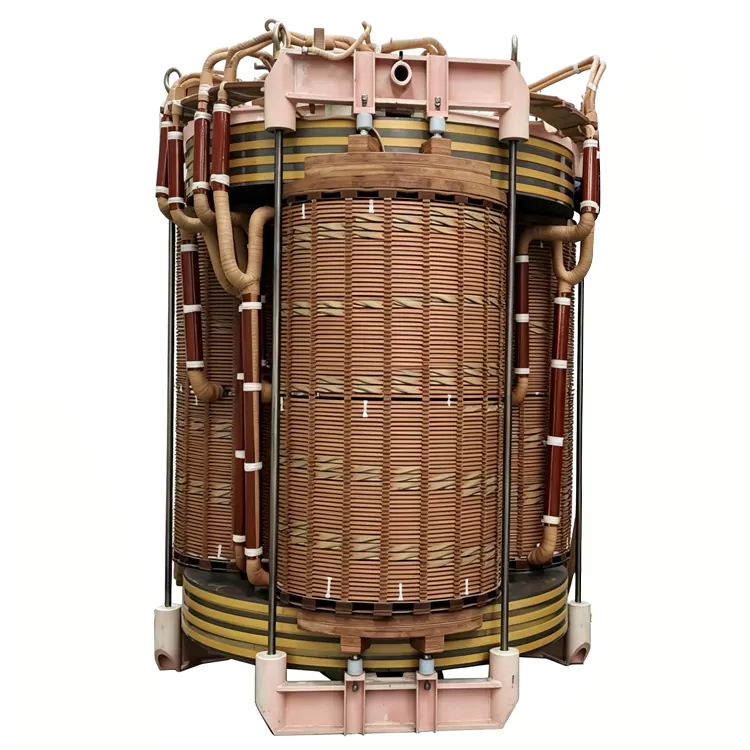
| Core configuration | Air-core or low-saturation iron-core design | Affects reactance linearity, dimensions, and magnetic performance. |
| Insulation and cooling | Dry-type or oil-immersed | Must suit the environment, temperature rise, and installation conditions. |
| Applicable standards | IEC 60076-6, GB 1094.6, and other specified requirements | Confirm the applicable edition and contractual compliance. |
Important: These values describe potential configurations, not a universal specification for every project. Rated current, reactance, insulation level, temperature rise, and fault duration should be confirmed with the manufacturer before procurement.
5. Dry-Type vs. Oil-Immersed Neutral Grounding Reactor
Construction selection affects installation space, cooling, maintenance, fire protection, and lifecycle costs. Neither design is automatically the best choice for every substation.
| Comparison Item | Dry-Type Reactor | Oil-Immersed Reactor |
|---|---|---|
| Insulation | Epoxy-cast or open dry-type insulation | Transformer oil and associated insulation system |
| Cooling | Natural air or forced air, as designed | Natural oil or forced oil/air, as designed |
| Installation | Often suitable for indoor substations | Commonly used in outdoor or suitably designed indoor installations |
| Oil management | No insulating oil required | Requires oil containment and appropriate spill management |
| Maintenance | Visual inspection, cleaning, connection checks, and temperature monitoring | Includes oil condition, oil level, leakage, bushing, and temperature checks |
| Selection priority | Space, fire-safety requirements, and site conditions | Electrical duty, cooling design, and installation infrastructure |
Air-Core and Iron-Core Options
Air-core reactors can offer highly linear reactance without magnetic-core saturation. Iron-core designs may provide a more compact arrangement, but their magnetic characteristics must be considered under the specified fault-current conditions. The final selection depends on reactance, current, thermal duty, available space, and manufacturer design calculations.
For projects involving other reactor functions, engineers can compare the grounding application with Yulan's oil-immersed shunt reactor solutions. The two products serve different electrical purposes and should not be treated as interchangeable.
6. How to Select the Right Neutral Grounding Reactor
Correct selection begins with a grounding-system study. A reactor that matches the nominal voltage but has an unsuitable reactance or short-time current rating may fail to meet the project's protection requirements.
Prepare the following information before requesting a technical proposal:
- System voltage and frequency: Identify the rated voltage and whether the network operates at 50 Hz or 60 Hz.
- Neutral-point information: Provide transformer or shunt reactor ratings, neutral insulation level, and connection details.
- Required ground fault current: State the design current or the target current-limiting requirement established by the system study.
- Fault duration: Specify the required short-time duty and the relevant protection clearing time.
- Reactance requirement: Supply the calculated value or request engineering support to establish the appropriate value.
- Protection arrangement: Identify relevant zero-sequence, directional ground fault, and neutral overvoltage protection functions.
- Installation conditions: Specify indoor or outdoor use, altitude, ambient temperature, pollution level, available space, and noise limits.
- Documentation and standards: Confirm inspection requirements, applicable standards, drawings, and delivery schedule.
For engineering teams, the most useful purchasing specification connects the electrical study to measurable acceptance criteria. It should define rated reactance, tolerance, short-time current, duration, insulation level, temperature-rise limits, and the tests required before shipment.
7. Protection Coordination, Installation, and Maintenance
A neutral grounding reactor must be integrated into the overall grounding and protection scheme. Its impedance affects the zero-sequence current and voltage available to protective relays. Relay settings should therefore be reviewed alongside the reactor design.
Protection Coordination
Depending on the system design, engineering reviews may include:
- Zero-sequence overcurrent protection.
- Directional ground fault protection.
- Transformer neutral overvoltage protection.
- Sensitive ground fault detection and backup protection.
- Coordination with other grounding equipment and the network's resonance characteristics.
Installation and Commissioning Checklist
- Inspect the reactor, insulation surfaces, support structure, terminals, and transport condition.
- Verify the grounding connection, clearances, and installation arrangement against approved drawings.
- Measure insulation resistance and winding resistance as required by the test plan.
- Measure reactance or impedance and verify the result against approved tolerances.
- Complete the specified dielectric tests and check monitoring circuits.
- Verify protective relay settings and test the relevant trip and alarm functions.
- For oil-immersed equipment, inspect oil level, leakage, accessories, and required oil-test results.
All commissioning work should follow the manufacturer's instructions, the approved project procedure, and applicable electrical safety regulations. Testing must be performed by qualified personnel with the equipment isolated and made safe as required.
Routine Maintenance
Dry-type units generally require periodic cleaning, visual inspection, connection checks, and temperature monitoring. Oil-immersed units also require inspection of oil condition, bushings, seals, oil level, and protective accessories. Maintenance frequency should reflect operating conditions, manufacturer recommendations, and the site's maintenance program.
8. Manufacturing Quality and Testing: What Buyers Should Verify
For high-voltage equipment, documented manufacturing quality is as important as the nominal electrical rating. Buyers should review the manufacturer's quality system, production controls, traceability, and test documentation before accepting a reactor.
Jiangshan Yulan Transformer Co., Ltd. reports transformer and reactor manufacturing experience dating to 1999 and maintains ISO 9001, ISO 14001, and ISO 45001 management-system certifications. The company provides product designs according to project requirements and supports the preparation of technical documentation and test records.
Depending on the product and contract, factory verification may include:
- Winding resistance measurement.
- Insulation resistance measurement.
- Power-frequency withstand voltage testing.
- Reactance or impedance measurement.
- Additional type or special tests when required by the specification.
- Review of nameplate information, drawings, inspection records, and shipment documents.
Buyers should confirm which tests apply to the specific reactor rather than assume that every test is included in every order. The agreed technical specification should identify the applicable standards, acceptance criteria, inspection stages, and documentation deliverables.
To review the manufacturer's product range and company information, visit the official Yulan Transformer website.
9. Frequently Asked Questions About Neutral Grounding Reactors
1. What is the primary function of a neutral grounding reactor?
Its primary function is to introduce specified inductive impedance between a transformer or shunt reactor neutral point and ground. This helps control single-phase ground fault current and influences neutral voltage and zero-sequence system behavior.
2. Which voltage levels are available?
Yulan's product information identifies designs for 35 kV, 66 kV, 110 kV, and 220 kV systems. Availability and the final rating should be confirmed against the project specification and the manufacturer's approved design.
3. What is the difference between a neutral grounding reactor and a neutral grounding resistor?
A reactor introduces inductive impedance, while a resistor introduces resistive impedance and dissipates energy as heat. Their effects on fault current, protection, and network behavior differ. The appropriate method must be selected through a grounding-system study.
4. How is the required reactance determined?
Reactance is determined from system voltage, the target ground fault current, network characteristics, grounding configuration, and protection requirements. The final value should be verified through engineering calculations and system analysis.
5. Can a neutral grounding reactor be installed indoors?
Yes, if the selected design, insulation system, clearances, ventilation, and site conditions are suitable. Dry-type designs may be appropriate for indoor installations, while oil-immersed units require suitable oil containment and fire-safety provisions.
6. What determines the rated short-time current?
The rated short-time current and duration depend on the calculated fault duty and the time required for the protection system to clear the fault. Both values must be specified and verified for the intended application.
7. What documents should accompany the reactor?
Depending on the contract, documentation may include approved drawings, technical datasheets, nameplate details, routine test reports, installation instructions, and applicable type or special test reports.
8. What information is needed to obtain a quotation?
Provide system voltage, frequency, required reactance or target fault current, fault duration, neutral insulation level, installation environment, applicable standards, quantity, and delivery schedule. Transformer or shunt reactor neutral data will also help the engineering team assess compatibility.
10. Conclusion: Choosing a Reliable Neutral Grounding Reactor
A properly engineered neutral grounding reactor is an important component of high-voltage grounding protection. Its performance depends on the correct combination of reactance, fault-current duty, insulation coordination, construction, and relay settings. Careful specification and documented factory testing help ensure that the selected equipment meets the actual needs of the power network.
Yulan supports transformer and reactor projects with engineering-based product configuration and manufacturing experience. If you are sourcing a Neutral Grounding Reactor for a utility substation, industrial facility, or transmission project, prepare your electrical parameters and installation requirements, then contact us to request a tailored technical proposal, product datasheet, and quotation. Working from your actual system requirements is the best starting point for a safe, reliable, and cost-effective grounding solution.
Related News
- How Can an Oil-Immersed On-Load Tap-Changing Arc Suppression Coil Improve Medium-Voltage Network Safety
- Yulan Transformer Delivers Custom 110kV Industrial Transformers for Overseas Energy & Metallurgy Projects
- Yulan Transformer Optimizes Testing Laboratory to Improve High-Voltage Transformer Quality Control Standard
- Yulan Transformer has secured major overseas export orders for custom-made rectifier transformers and electric furnace transformers.
- Yulan Transformer Expands Production Capacity for 110kV Power & Furnace Transformer Series
Leave me a message
New Products
News Recommendations